Why Doesn’t Victor Frankenstein Give the Creature a Name in del Toro’s Oscar Award-Winning Film?

Spoiler Alert: This content contains spoilers for Guillermo del Toro’s 2025 award-winning film, “Frankenstein,” currently streaming on Netfli and nominated for Best Picture at the 2026 Oscars—staring Oscar Isaac, Jacob Elordi, and Mia Goth.
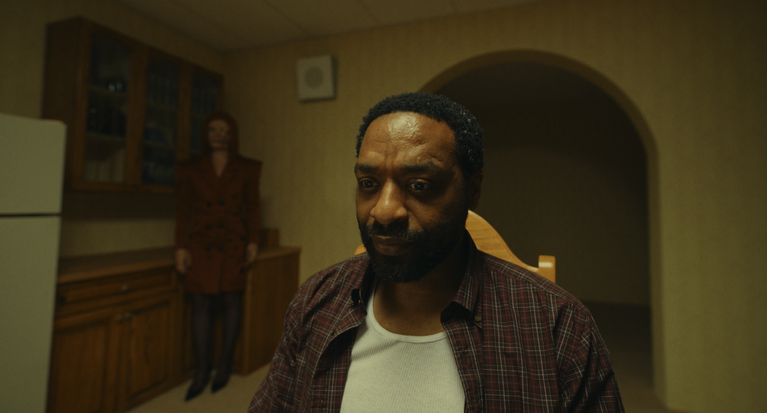
If you felt stilted when the credits rolled and Victor Frankenstein (Oscar Isaac) hadn’t given his creation a name, even after hearing his child’s story and declaring his regret, you’re not alone.
During my first viewing of “Frankenstein” 2025, I was aghast that Victor would beg forgiveness and then ask the Creature (Jacob Elordi) to say his name again, just as he did the first time when it meant the world to him. Yet, Victor withholds the most basic act of recognition a parent is meant to give their heir.
After watching Victor suppress all his pain, guilt, and overwhelm for nearly two and a half hours, he is liberated in his final moments—and finally recognizes the Creature as his son. And still, he denies his child a name, seemingly turning his back on him once again… or so it appears.
Why Are Names Important?
A name allows us to acknowledge individuals as distinct people, carving out one’s identity and place in the world.
In a crowd, you can call out your best friend’s name and they will spring from the throng joyfully. At work, a name is used to acknowledge someone’s hard work and accomplishments, providing a moment to bask in the spotlight and feel a sense of pride for a job well done. In conversation, a name helps get everyone on the same page for the topic of discussion—for example, if someone mentions Jacob Elordi, your mind will likely conjure his face and recall the films you’ve recently seen him in. Alternatively, if someone were to refer to Elordi as “that one really tall actor,” the conversation would require a lot more work to provide a frame of reference before discussion could begin.
The same goes for all things, not just people—if you have no way to refer to it, nobody will understand what it actually is.
So, when a parent names their child, it is an act of acknowledging that child as a real person, separate from the parents. By giving a child a name, they are free to enter the world and develop their own thoughts, beliefs, desires, and opinions—something Victor Frankenstein struggles with from the very beginning.
Why Doesn’t Victor Frankenstein Recognize the Creature as a Person?
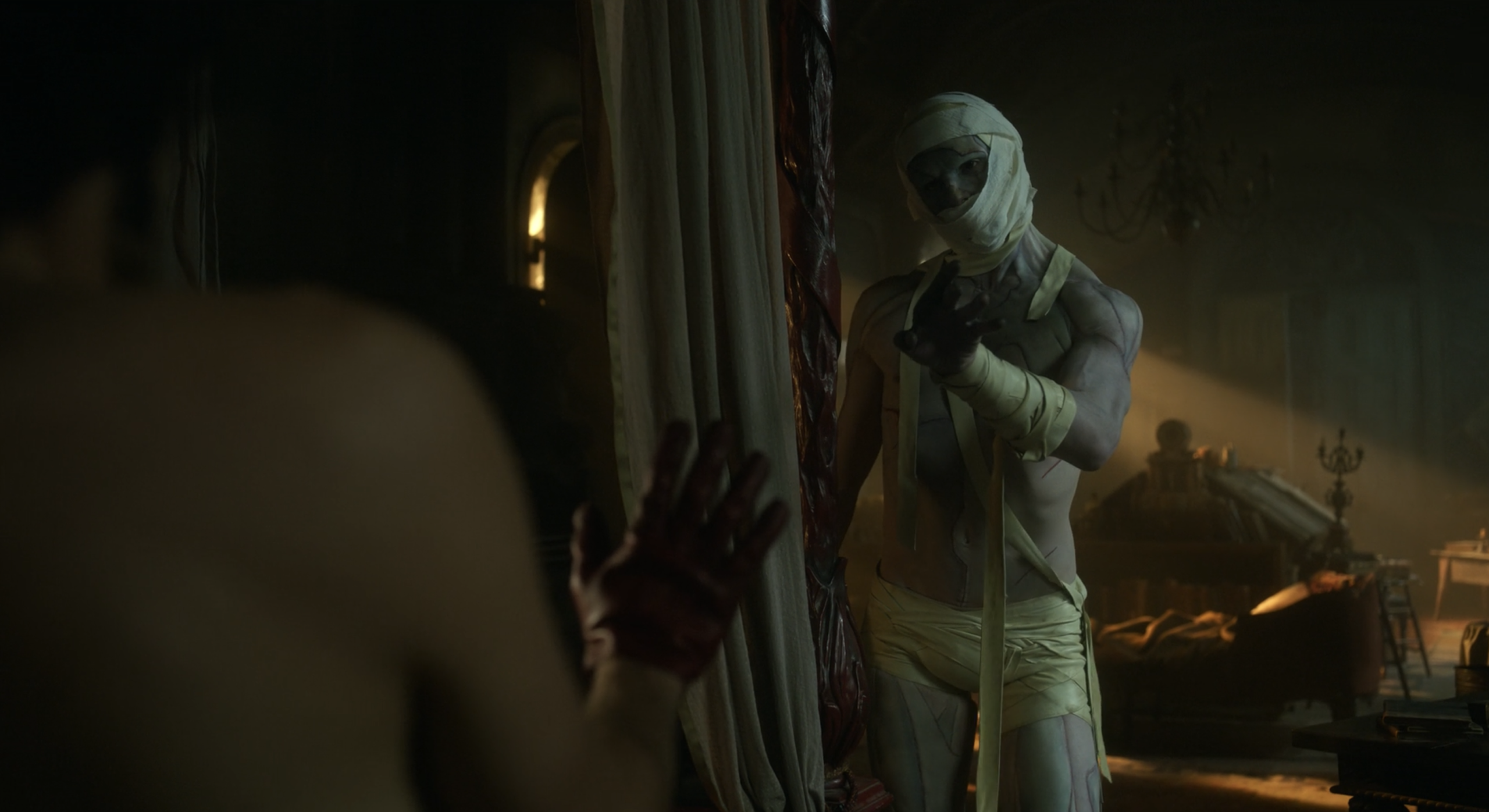
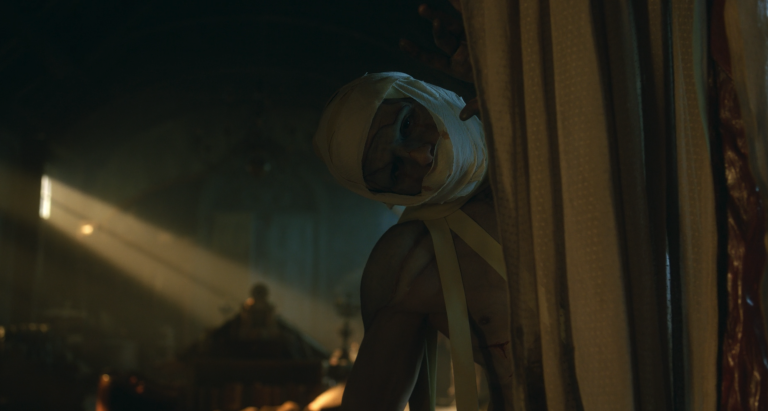
In his relentless pursuit to create life from death, Victor fails to consider what would come after the scientific success. While most expectant parents are moved by love for the newlife they are welcoming into the world, Victor’s actions are driven solely by hubris and spite.
Blaming his father for his mother’s death, Victor Frankenstein decides early on that he will surpass his father’s accomplishments and failures. He pledges to subvert death—the one and only thing he wished his father could have done for his mother. In Victor’s mind, the success of creating life from death would be nothing more than another triumph ahead of his father’s legacy. A final middle finger to the man that raised him.
Because Victor’s work is motivated by this grief-fueled resentment, once Victor finally achieves his dream, he is left with the responsibility of something he does not understand. The Creature is not a person to him, but a product of his work.
Not recognizing that he is a parent, Victor becomes the same kind of father his own was to him—aggressive, strict, and perpetually disappointed. He sees the Creature as an object to control and believes that the Creature only exists in relation to him. As such, Victor does not grant Elordi’s character with the most basic marker of personhood—it is likely something he cannot even fathom at this point.
Why Victor Frankenstein Refuses to Name the Creature—And Why It’s a Good Thing
In the beginning, Victor would not name the Creature because he did not acknowledge his individuality or humanity. But why does Victor still not grant agency to his creation during their final moments together?
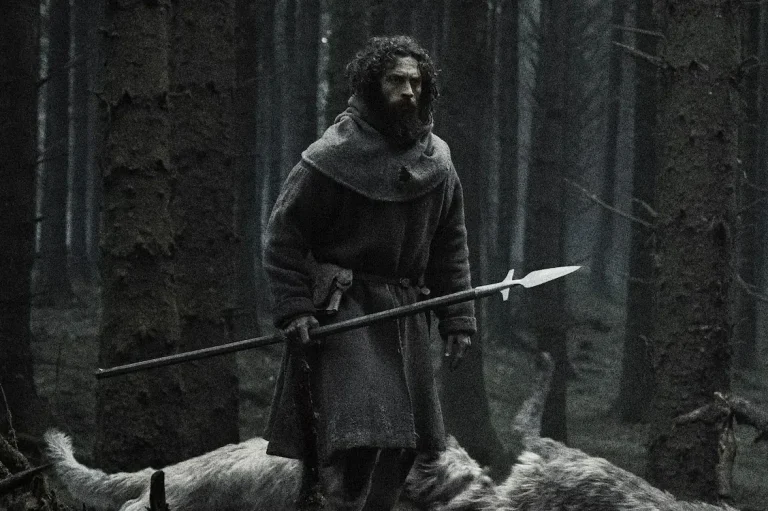
Reflecting on Victor’s Tale, he had grown to despise his family name early on, knowing only pain, anger, and humiliation from a young age. Victor’s father, Baron Leopold Frankenstein (Charles Dance), cursed Victor for minor mistakes. He tells young Victor, “You bare my name…and with it my reputation,” placing great pressure on his child to live up to his high expectations, even in the face of great loss.
Later, when Henrich Harlander (Christoph Waltz) approaches Victor for the first time, Harlander mentions that William (Felix Kammerer) is making a name for himself in the finance industry. Victor scoffs at this, believing it to be a laughable notion that William may carry the Frankenstein family name without bearing the full reputation of his bloodline.
Victor carries this burden for the entire movie, and it is not until his final moments that he recognizes the trauma he endured by the hand of his father. Before Victor asks the Creature to say his name back to him—finally hearing it spoken with love, instead of disappointment or fear—Victor tells the Creature, “My father gave me that name, and it meant nothing.”
In the end, Victor understood that the name he was given felt more like a burden to him than a legacy. And so, as a gift to the Creature, Victor does not burden him the same way he felt burdened by his own father. Instead of naming his son and forcing him to carry that name through life, he gives the Creature a chance to choose his own name—and to really carve out his own path in the world.