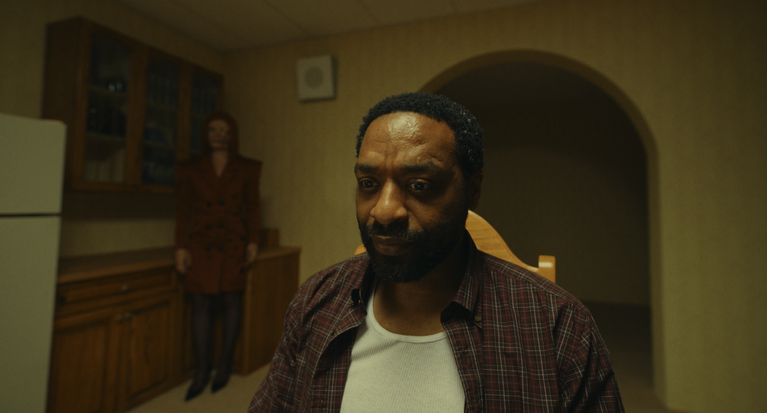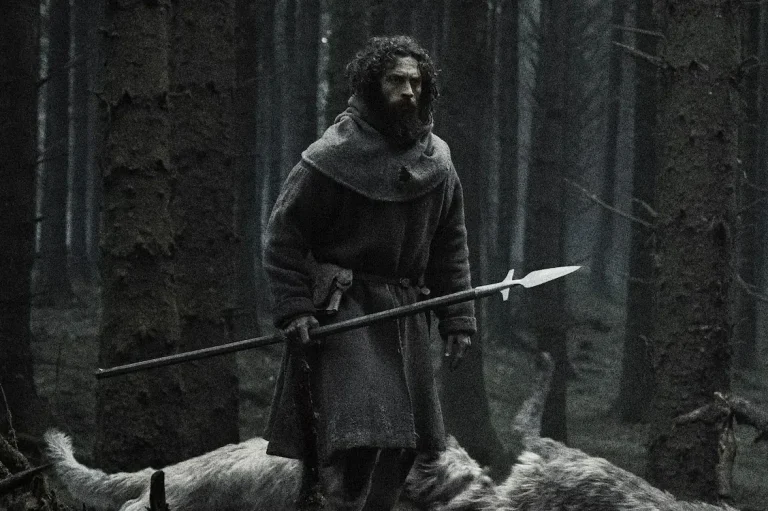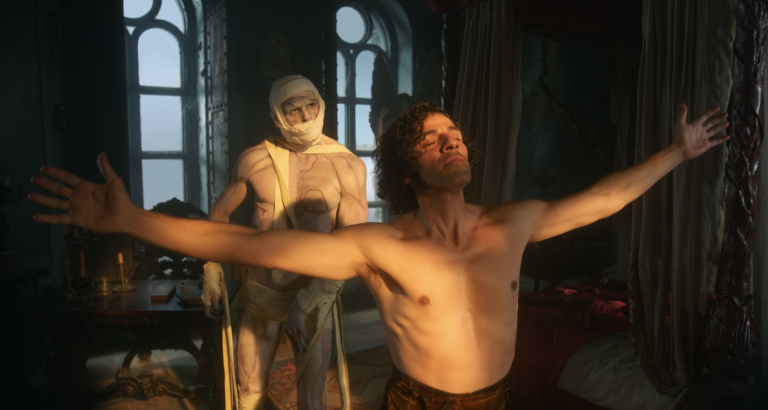
4 Soul-Shaping Lessons From the Creature in Guillermo Del Toro’s Award-Winning “Frankenstein”

Spoiler Alert: This content contains spoilers for 98th Academy Awards nominee for Best Picture, Guillermo del Toro’s 2025 film, “Frankenstein,” currently streaming on Netflix—staring Oscar Isaac, Jacob Elordi, and Mia Goth.
If you’re a fan of horror and you’ve read Mary Shelley’s Gothic novel, “Frankenstein”, you were probably excited for Guillermo del Toro’s adaptation to stream on Netflix, and equally thrilled when the film received nine Oscar nominations, including Best Picture, and won three of those awards at the 98th 2026 Oscars. While Shelley’s novel depicts a great deal of suffering—leading readers through a cautionary tale of hubris, monstrosity, oppression, isolation, and moral complexity—del Toro’s adaptation of Frankenstein is more optimistic in its melancholy.
Though del Toro strays from the original source material, reimagining “Frankenstein” through his own lens, the film still left me with a heavy, existential weight. The impenetrable loneliness of Jacob Elordi as the Creature was difficult to let go of; anyone who has ever felt like an outsider can relate.
To pass through this heaviness, I considered the Creature’s haunting journey and how his odyssey might continue after the credits rolled. With a more nuanced understanding of the film and my own interpretation, I identified 4 transformative lessons we can learn from del Toro’s retelling of Victor Frankenstein’s “monster”:
We Are All Flawed Beings, Thus We Must Forgive Ourselves and Others
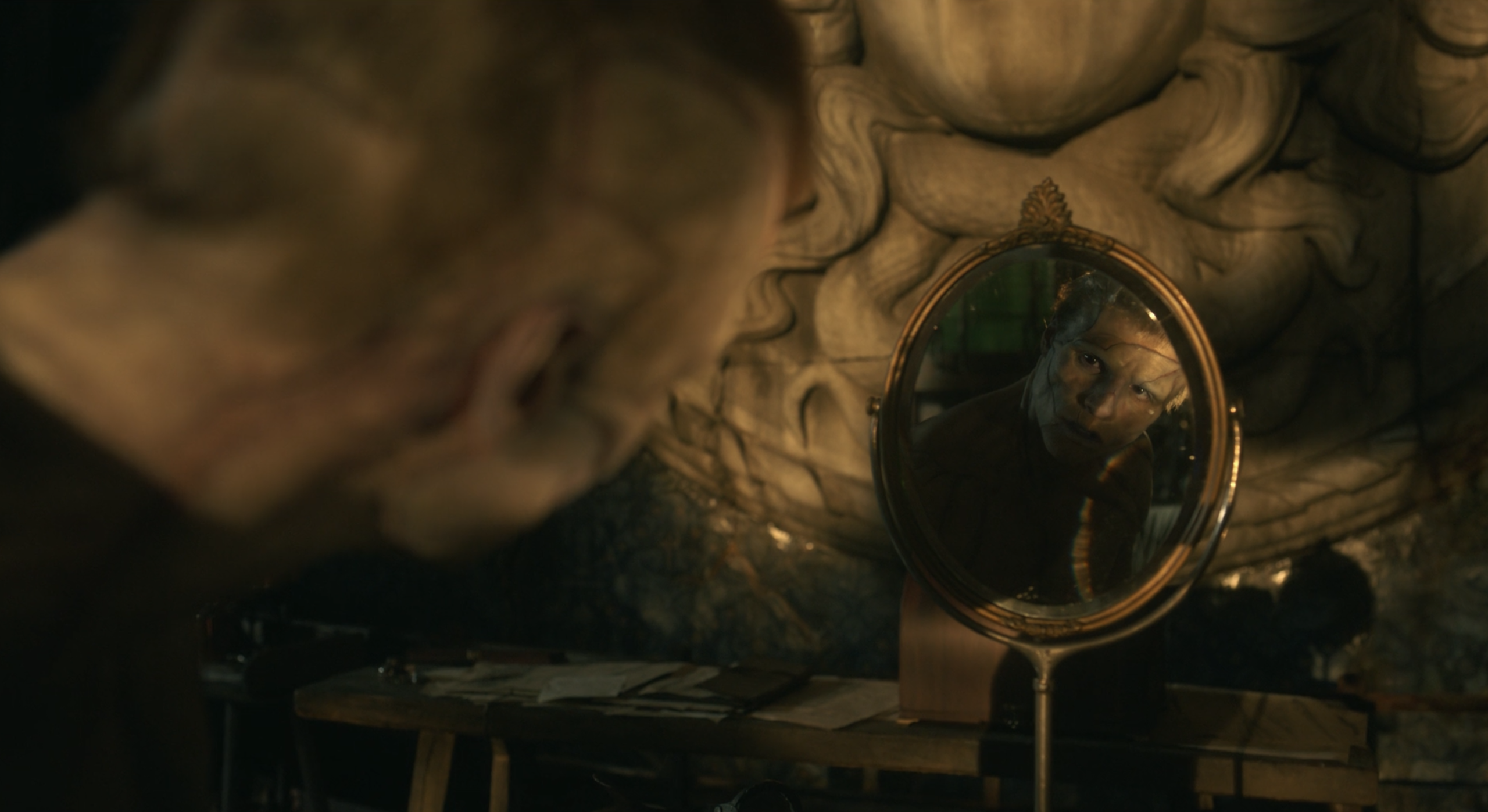
There is one critical scene in del Toro’s 2026 Oscar nominee, “Frankenstein,” where the Creature begins to understand the world and his place in it. Whilst hiding among the mill gears of a family farm, a pack of wolves, driven by hunger, surround the home and attack a herd of sheep. To protect their loved ones and their livestock, the hunters retaliate against the wolves with gunfire.
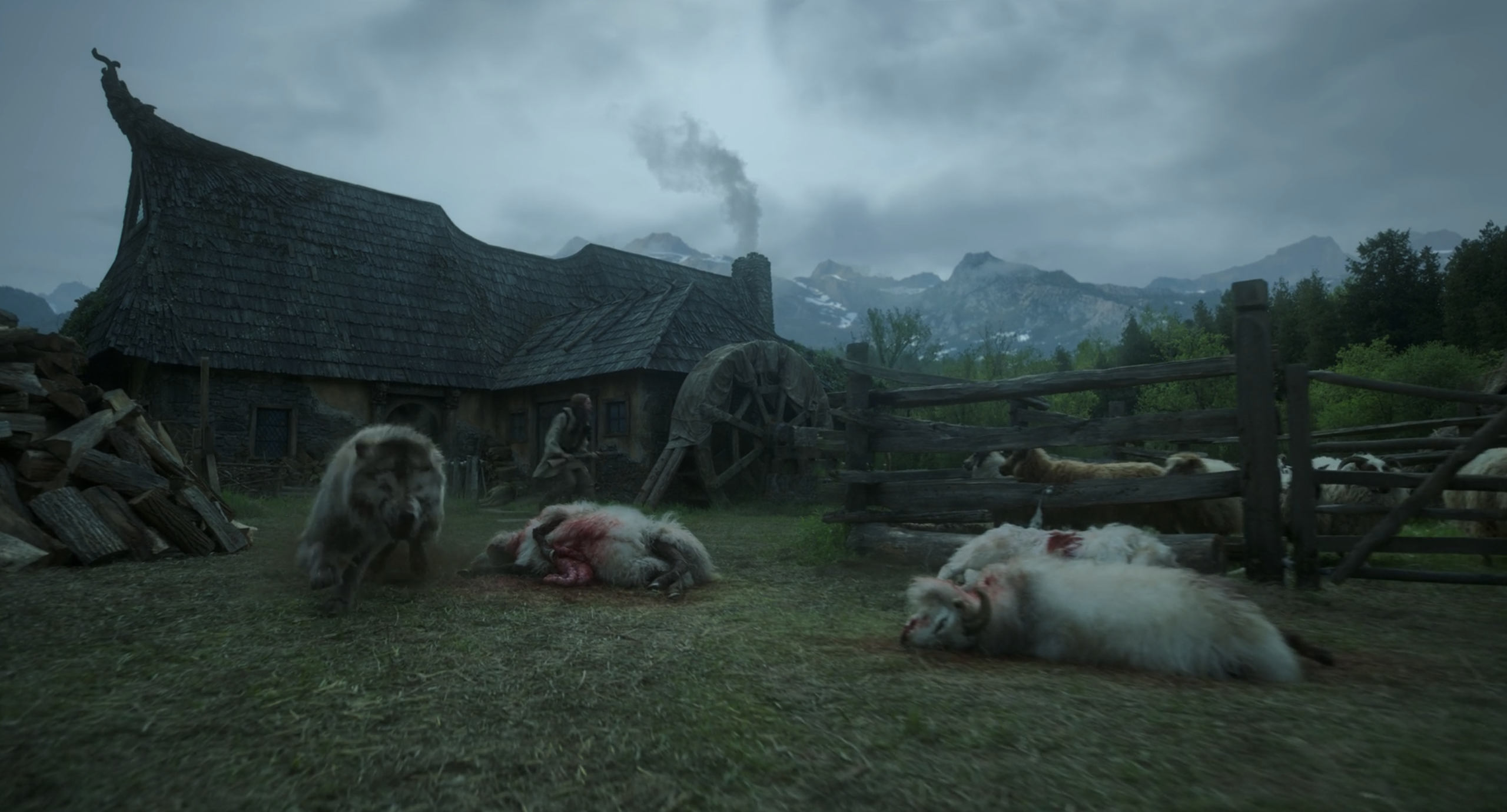
As the Creature watches this bloodshed, he realizes that while the wolves do not hate the sheep and the hunters do not hate the wolves, it is in their own nature to harm one another. From this moment, Frankenstein’s Creature determines that the world is innately violent, and it will “hunt you and kill you just for being who you are.”
When we apply this same line of thinking to the Creature’s lived experience, we understand that he did not ask to be so monstrous looking, but, nonetheless, his appearance instills fear in others when they lay eyes upon him. Even though del Toro’s version of the Creature is quite tenderhearted, there are several scenes in which he is antagonized and becomes extremely violent. In the face of such horrific brutality, can we fault others for reacting in terror or malice?
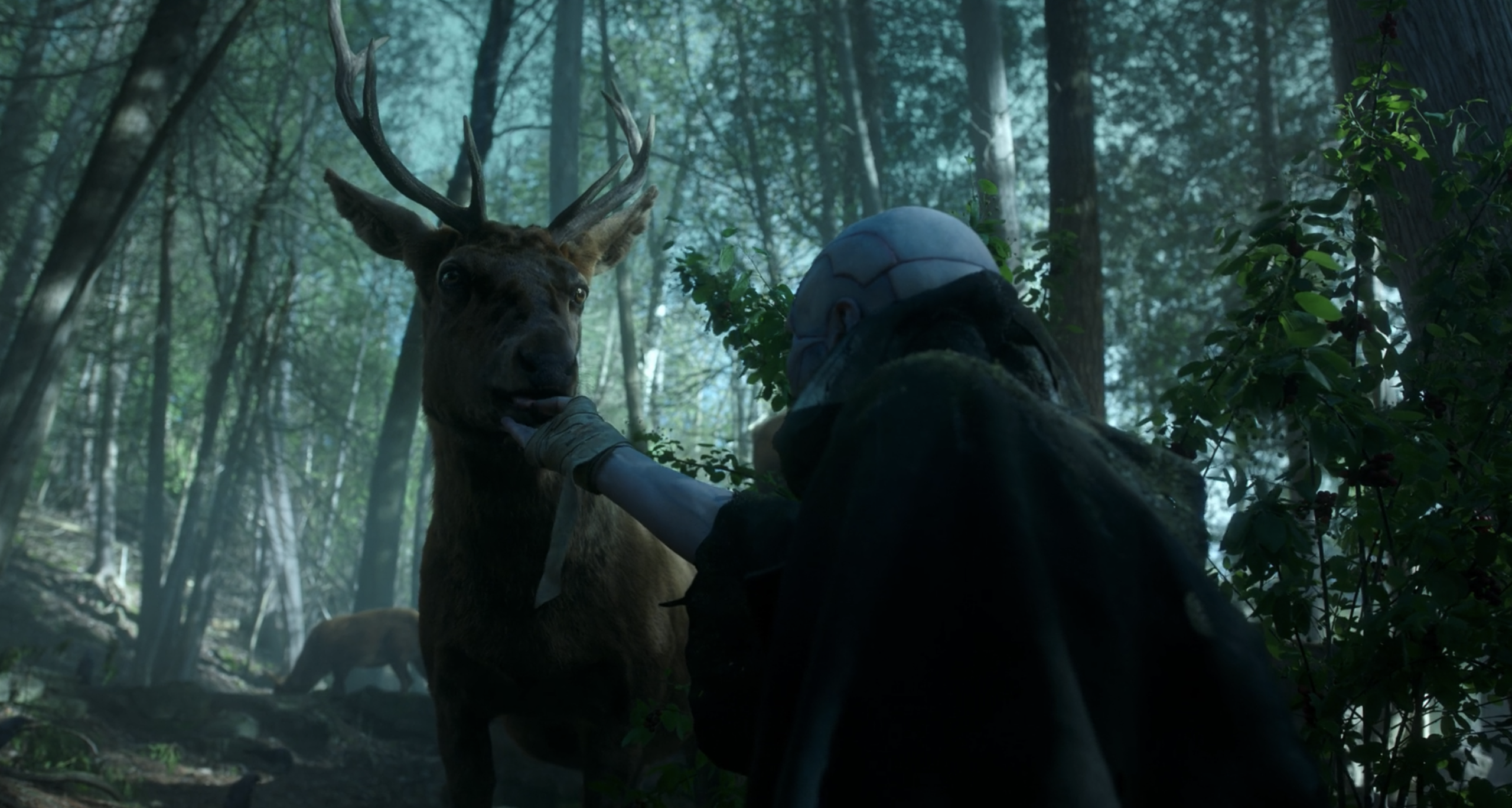
On the flip side, in the majority of the scenes in which the Creature encounters humanity, he is often attacked before the assailants even determine what level of threat he might pose. In a moment as innocent as feeding a deer in the woods, Frankenstein’s Creature is shot at and pursued as if he is big game. So, we must also ask, is it so unfair that the Creature would grow to despise his oppressors or indulge in infinite rage against them?
And is this not how we treat each other? As a people, we often feel afraid and even threatened by what we deem to be different. Whether the difference is religion, culture, appearance, or status, our misunderstandings can fester and turn into prejudice and hatred. In the end, both the Creature and humanity are just two sides of the same coin—vulnerable, vengeful, and self-absorbed. But neither of them must stay that way.
When a blind, old man befriends the Creature, the old man counsels his friend, telling him “Forgive. Forget. The true measure of wisdom—to know you have been harmed, by whom you have been harmed, and choose to let it all fade.”
By the end of the film, the Creature forgives his maker for the suffering he caused, and Oscar Isaac’s Victor Frankenstein encourages his child to also forgive himself—to release the shame, the guilt, and the self-hatred he has sown.
As the Creature departs into the Arctic, he performs an act of kindness by freeing the ship of stranded seamen from the ice. Choosing to be kind to the same people who just attacked him, while also knowing the world will continue to show him little kindness, is an act of radical forgiveness. And viewers can presume that Frankenstein’s Creature will continue to forgive and move past the prejudice he faces, choosing to rise above it rather than let anger take root.
True Belonging Shouldn’t Require You to Change Who You Are
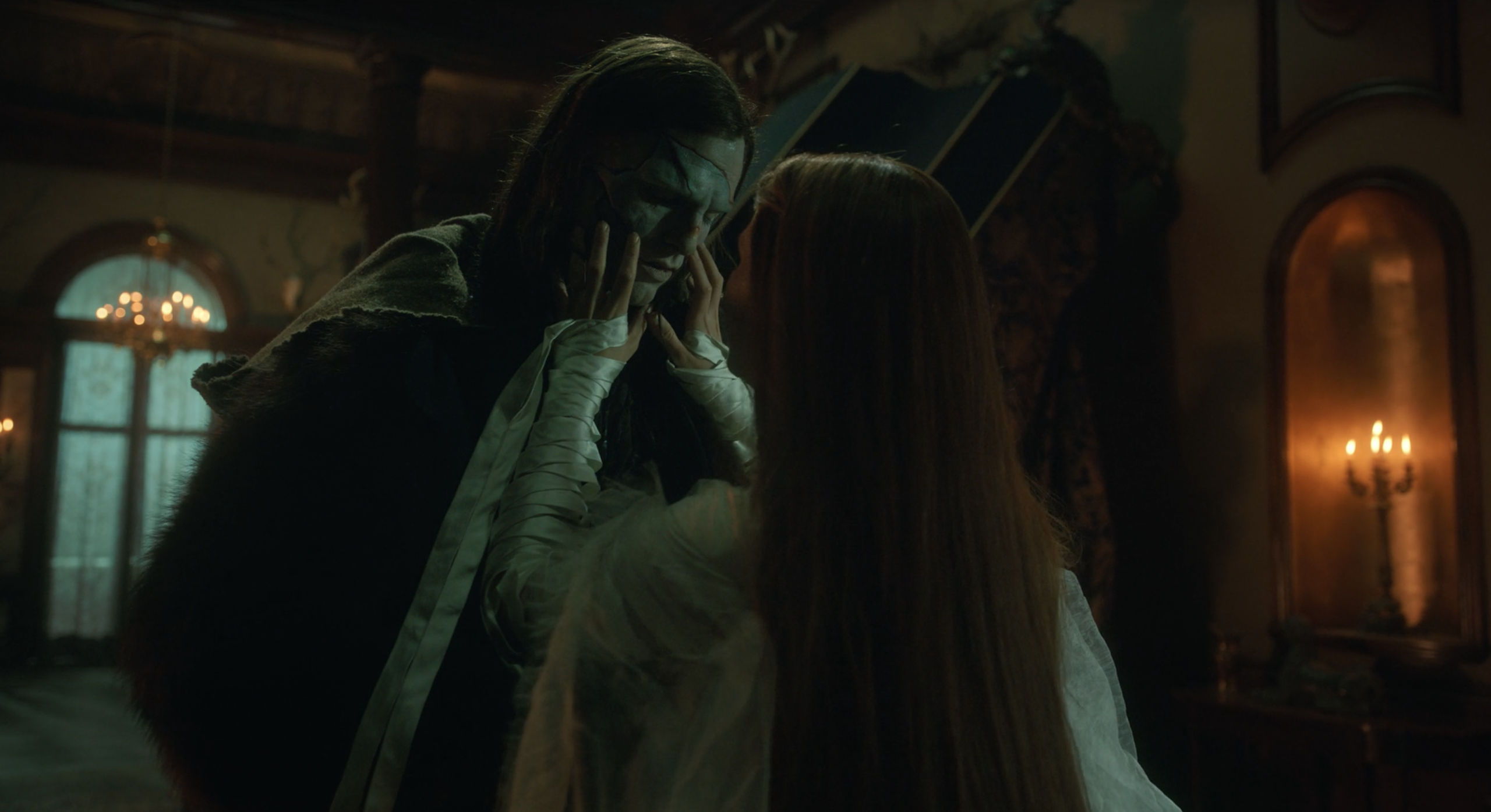
Throughout the film, the Creature deals with incessant trials of suffering and injustice. He comes from nothing and has no direction, moving aimlessly through a world that was not built for him. Having been forced into life as an assembly of corpses, not quite human, but not quite not human either, Frankenstein’s Creature struggles with the weight of his own existence.
Once Victor Frankenstein hears the Creature’s story, he finally feels empathy for his son and urges his creation to go live his life. But what does it mean for the Creature to live in a world that will withhold love, belonging, and acceptance?
Despite being feared by most, the Creature does find love and companionship during del Toro’s film—a few islands of good will in a vast ocean of cruelty. Both the old, blind man and Elizabeth (Mia Goth) build a connection with the Creature, showing him profound kindness that almost feels redemptive for his existence.
While no one should have to endure such vehement hostility for simply being, it is also important that we not fall into the trap of wanting to be loved by all. If you must force yourself into a mold to belong, then that belonging is not grounded in reality. While the Creature has no mask he can wear to hide himself, many of us have gone down that path in the pursuit of external validation. And when a mask is worn for too long, self-confidence crumbles and disconnection from oneself and others grows.
To be truly seen and accepted for who you are, even the monstrous parts of you, is what real belonging feels like. It can be scary to put yourself out there, but like the Creature, we too should find a way to get comfortable with who and what we are—because that is how true companions are found.
Connection Is Key to Overcoming Divide
While not everyone has to love you, we shouldn’t be so furiously hateful towards one another, either. An outcast can forgive and move on from those who wrong them for the sake of their own wellbeing, but what of those who are spitting poisonous words at them in the first place?
In del Toro’s film, Victor Frankenstein spends nearly half the runtime disgusted by the Creature—referring to him as a devil, wicked and deformed, and the reason for his own madness in this life. Victor attempts to end his creation’s life several times, blames the Creature for the harm he had done to Elizabeth, attempts to incite a mob against the Creature, and spins a nasty tale to the seamen regarding the Creature’s inherent nature.
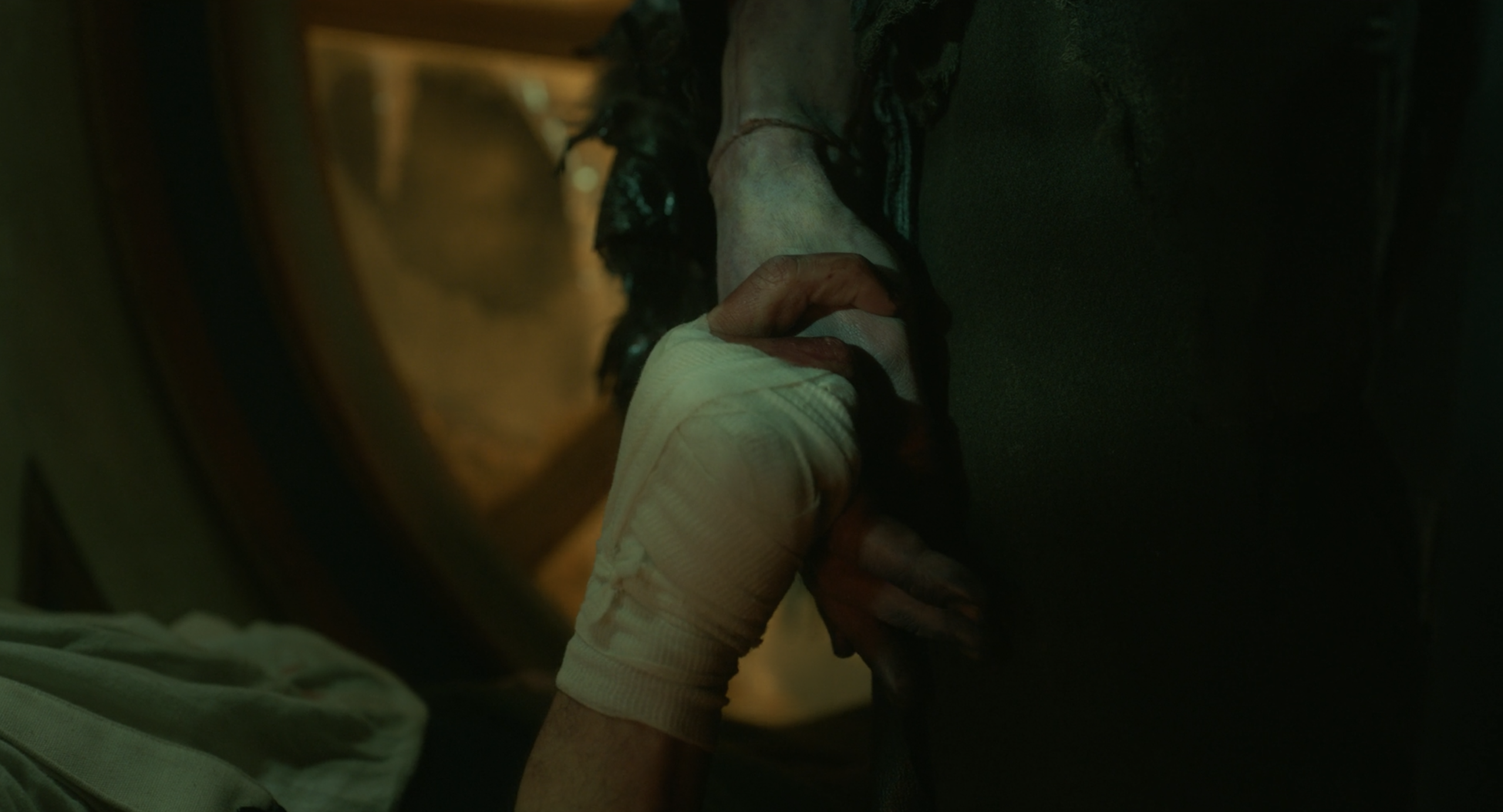
It is not until after Victor Frankenstein fully hears of the sorrows his creation has endured—a story he is practically forced to hear as he is on his deathbed—Victor is moved by the narrative and overcome with sympathy. Finally understanding the Creature’s hardships, all the preconceived notions he had regarding his creation melted away.
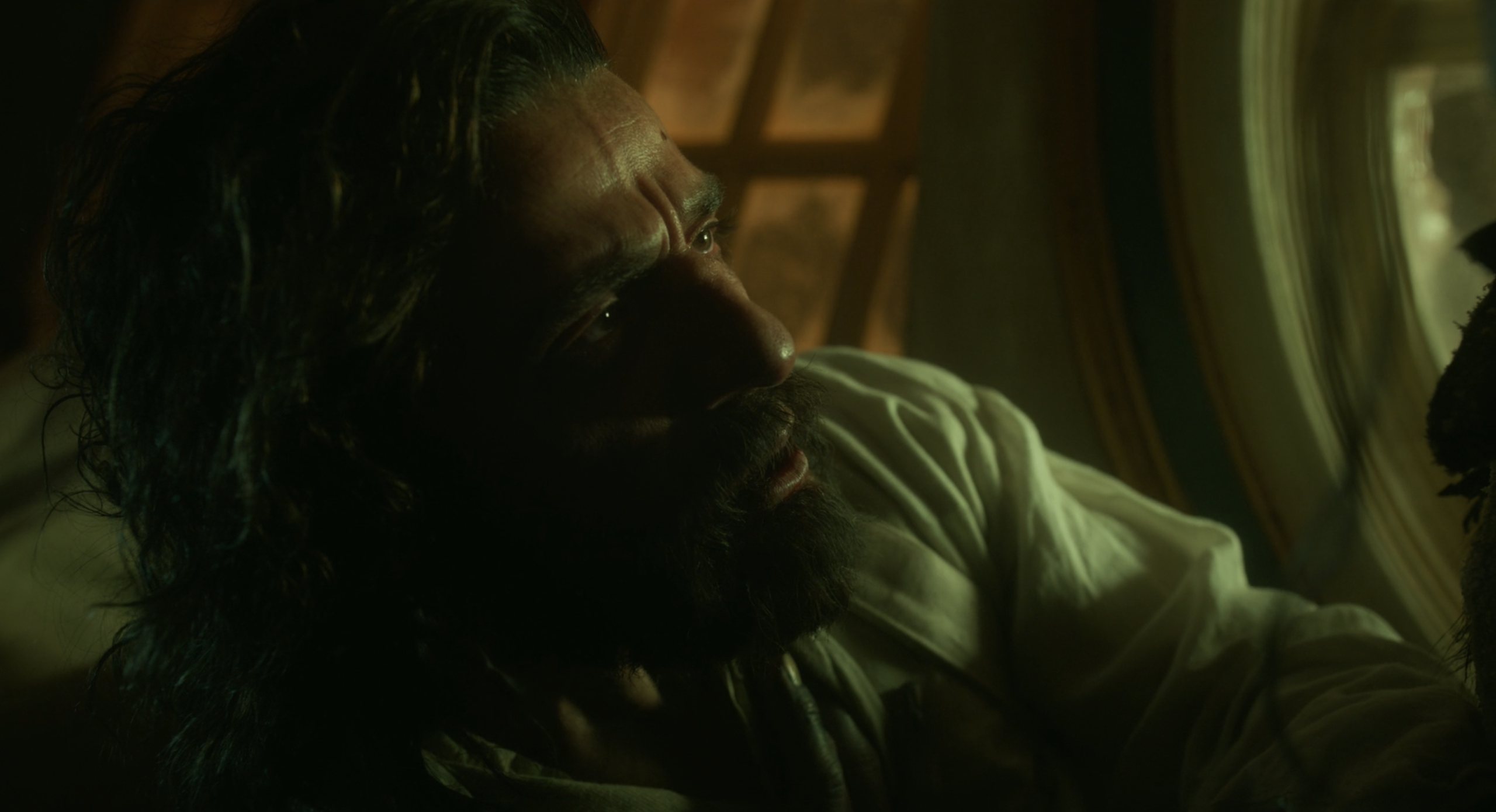
The result of this exchange often occurs in the real world, too. Even as we are easily pitted against one another via fear mongering and misunderstandings, the only redemptive path forward is in taking time to hear one another’s story. Once you’ve taken the time to walk a mile in another’s shoes, you realize they are just like you—a person trying to make their way in a big, scary world—and not the monster that society taught you they are.
As someone who grew up in a small, white, rural town, I often parroted the things I heard from my family, friends, and neighbors. Fortunately, I had an affinity for the odd and obscure, which helped distance me from the groupthink that often runs rampant in these smaller, less diverse communities. My interest in countercultures and desire to hear from people with different lived experiences from my own helped me develop greater open-mindedness.
The more you learn about how others live, the easier it becomes to see how little we know collectively about life. It’s easy for people to think through the lens of their own journeys, and difficult to conceptualize that which you know nothing of. You may write off another’s poor decisions or the systemic issues that affect your neighbor because you simply cannot comprehend the position they are in—until you take the time to hear from them and learn.
This lesson is a powerful one because it holds the key to overcoming divide within society. But it also illustrates just how difficult it can be to achieve. If Victor Frankenstein had not been bed-bound, forcing him to listen, and if he had been too strictly set in his ignorance, he may never have understood the Creature at all.
You Must Give Your Own Life Meaning—and Take the Good with the Bad
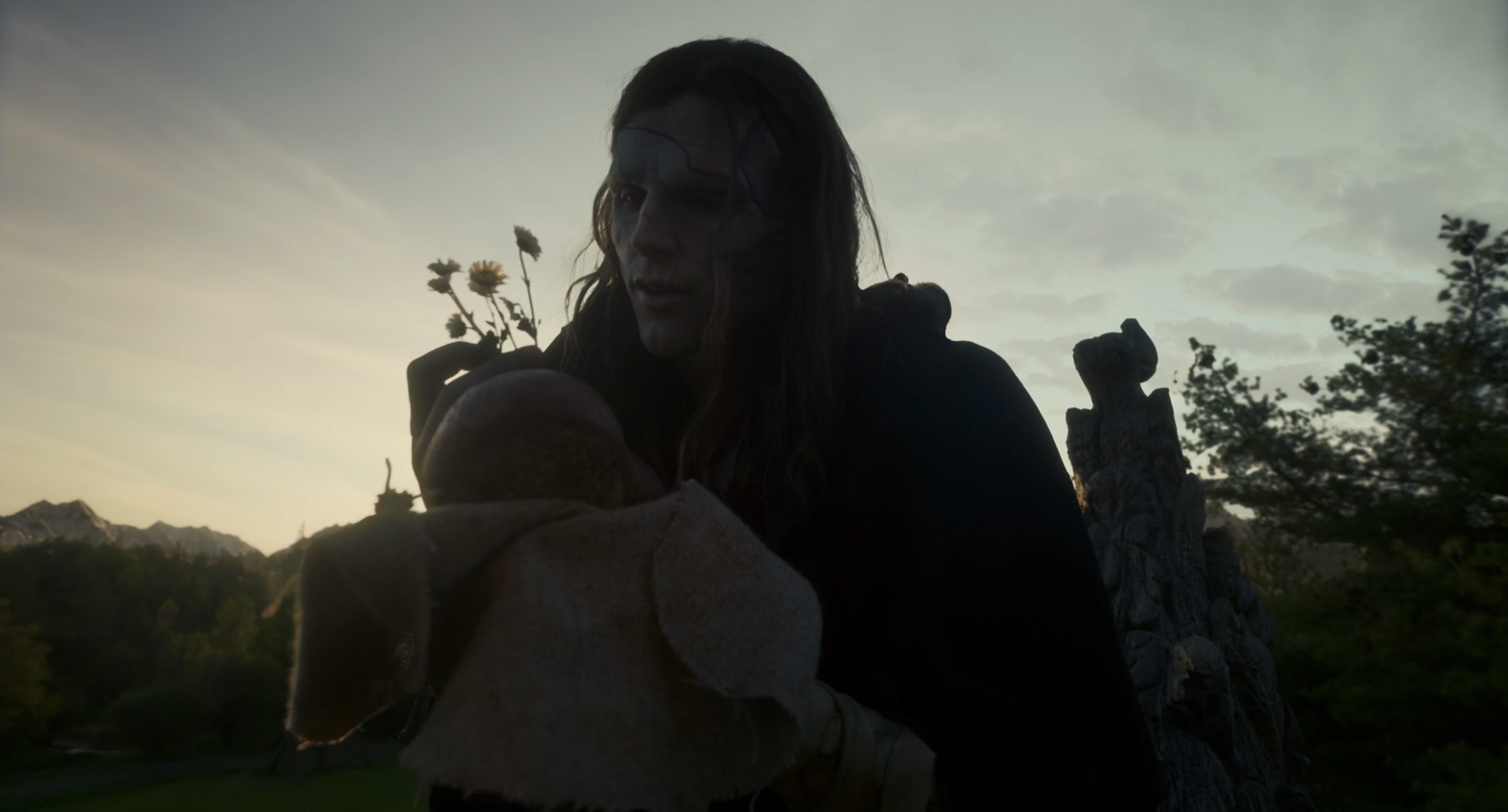
After Victor transcends his prison of ignorance, he exhorts his creation to go live. But again, we must ask, what does it really mean to live and live well? And what of a life’s purpose?
For us and for the Creature, the experience of life comes with consciousness and a wide range of emotions. As we experience both joy and suffering, it is clear that one feels better in our body and brain than the other. Still, you cannot favor the positive emotions and experiences over the negative ones, or you could distort your experience of life.
For example, if you attempt to live in a state of extreme happiness all the time, your natural baseline of emotion will adapt accordingly. In this scenario, ordinary joys would feel less joyful; and when you inevitably must face the negative, the contrast between your highs and lows are much more pronounced—making your lows feel debilitating. Similarly, if you give your hardships all of your attention, it might be difficult to recognize or appreciate the good when it comes.
Up until the end of the film, the Creature endured great suffering, and his hardships clouded the beautiful moments he experienced—like those shared with Elizabeth. So, instead of labeling your life a bad one, it’s important that you allow all extremes to exist simultaneously and honor each end of the spectrum completely.
I believe that this is, in part, what Victor Frankenstein wants for the Creature—to embrace life for all that it is, good and bad. To feel the cold of winter and bask in the apricity; to taste the sweetness of wild berries and honor your fear when you hear the crack of a gunshot; to hide in the shadows if you need to, but also to step into the light when there’s an opportunity for connection. Guillermo del Toro even closes “Frankenstein” with the quote, “And thus the heart will break, yet brokenly live on.” – Lord Byron.
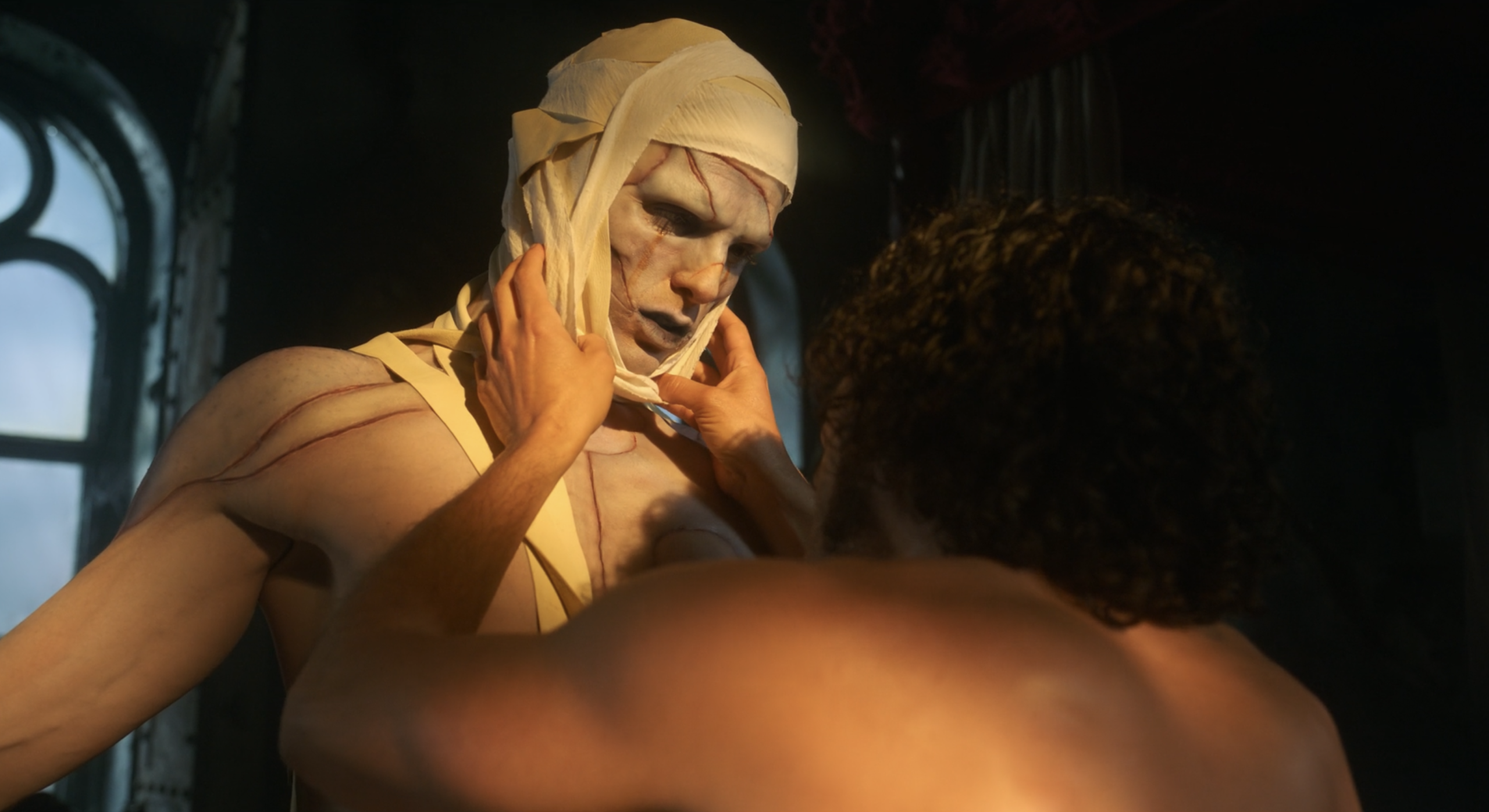
But even as the Creature learns to survive his broken heart, what of his purpose in this never-ending life?
For many, purpose is a tricky thing to pin down. Even Victor struggles with his purpose after his creation is given life. Between the guilt he likely felt for the death of Harlander, his pain from being rejected by Elizabeth, and the overwhelm that came from his limited knowledge of how to be a good father to his creation, Victor Frankenstein spirals into self-doubt and humiliation. Having not considered what his life should be after achieving the singular goal he had focused on for so long, this tumultuous array of emotion led him to try and destroy every reminder of his self-perceived failure. It isn’t until his death that Victor realizes what would have given his actions meaning—to raise, love, and nurture his creation.
After Victor takes his last breath, the Creature marches into the Arctic and feels the warmth of the sun on his face. Having finally been understood by his maker, the Creature is reborn and reenters the world again, this time to carve out his own path.
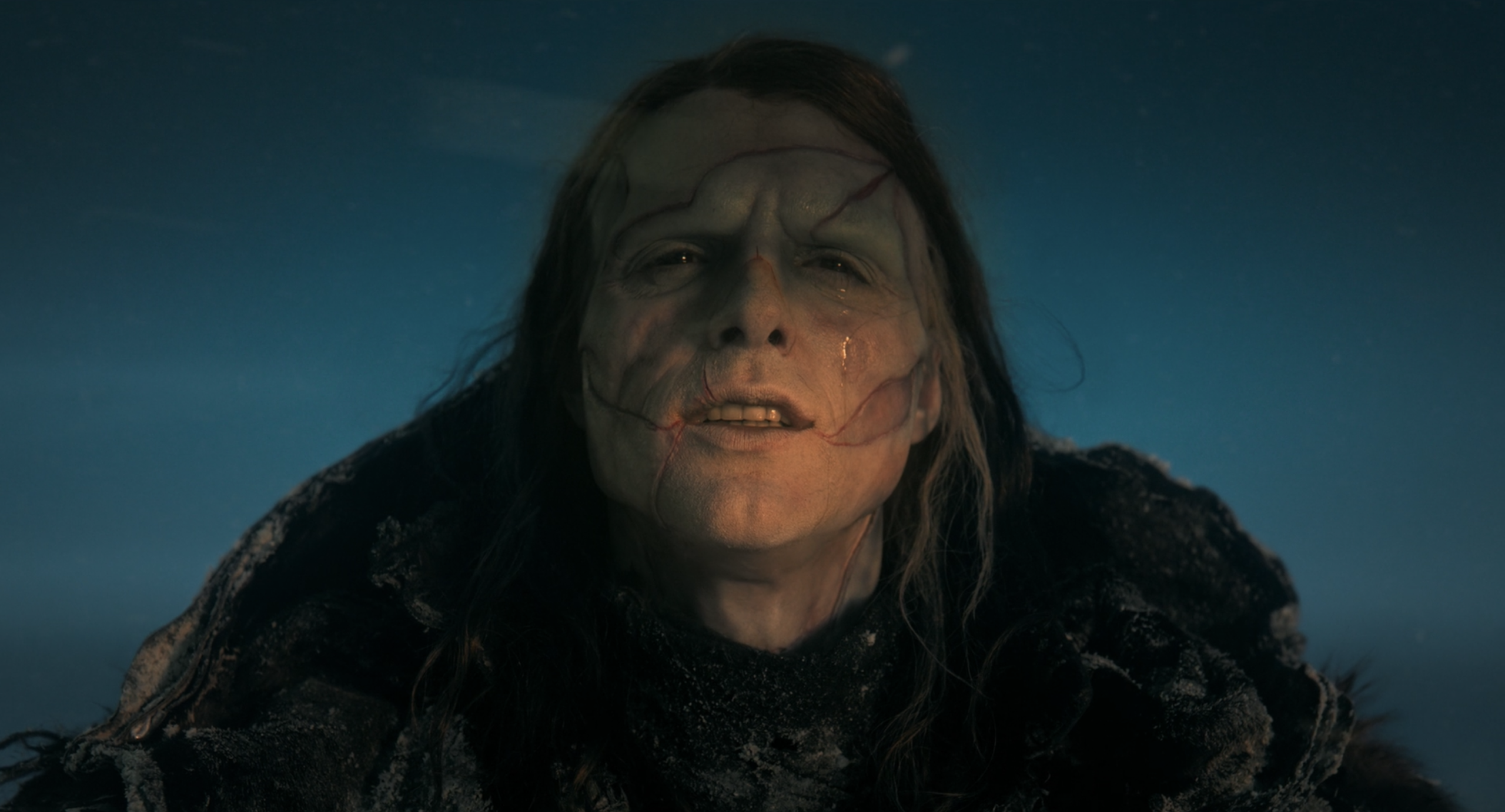
Film still from 2026 Oscar nominee, “Frankenstein” 2025, picturing Jacob Elordi as the Creature
Unless you choose to give meaning to your life, you will go on searching for it, wandering and lost. Much like Victor Frankenstein did when he assembled the severed body parts and used an electric current to spark qi, we too must be the ones to create life—our own.