Backrooms Explained: What Really Happens in the A24 Horror Film
Spoiler Alert: This content contains spoilers for the 2026 film, “Backrooms,” currently available for streaming on Apple TV, Fandango, and Amazon Prime Video.
I must start with a confession: I didn’t have any interest in watching Kane Parson’s “Backrooms” when the film was first announced, despite living in the city where the original photograph that inspired the concept was taken. It wasn’t until my favorite film critic described “Backrooms” as “genuinely something special” and seriously worth the hype that the title ended up on my watchlist.
And now that I’ve seen A24’s box office hit, I’m happy to report that I enjoyed it way more than I ever thought possible, and I feel physically distraught that so many of my friends left the movie theater dissatisfied. When I prompted these friends to share more about what they were missing, it seemed that most of them finished the “Backrooms” film wondering “what the hell just happened?”
If you’re feeling unsure about what happened in “Backrooms,” let’s unpack this together.
Disclaimer: “Backrooms” Director Kane Parsons has created an entire world of mythology for the backrooms through a series of YouTube shorts. These shorts may help build out the lore for “Backrooms,” though it is not necessary that you be familiar with or watch those shorts prior to watching the A24 feature film. I am a viewer that went into “Backrooms” without any context of the YouTube series. As such, my interpretation is based off the movie as a standalone story.
The “Backrooms” Movie Explained
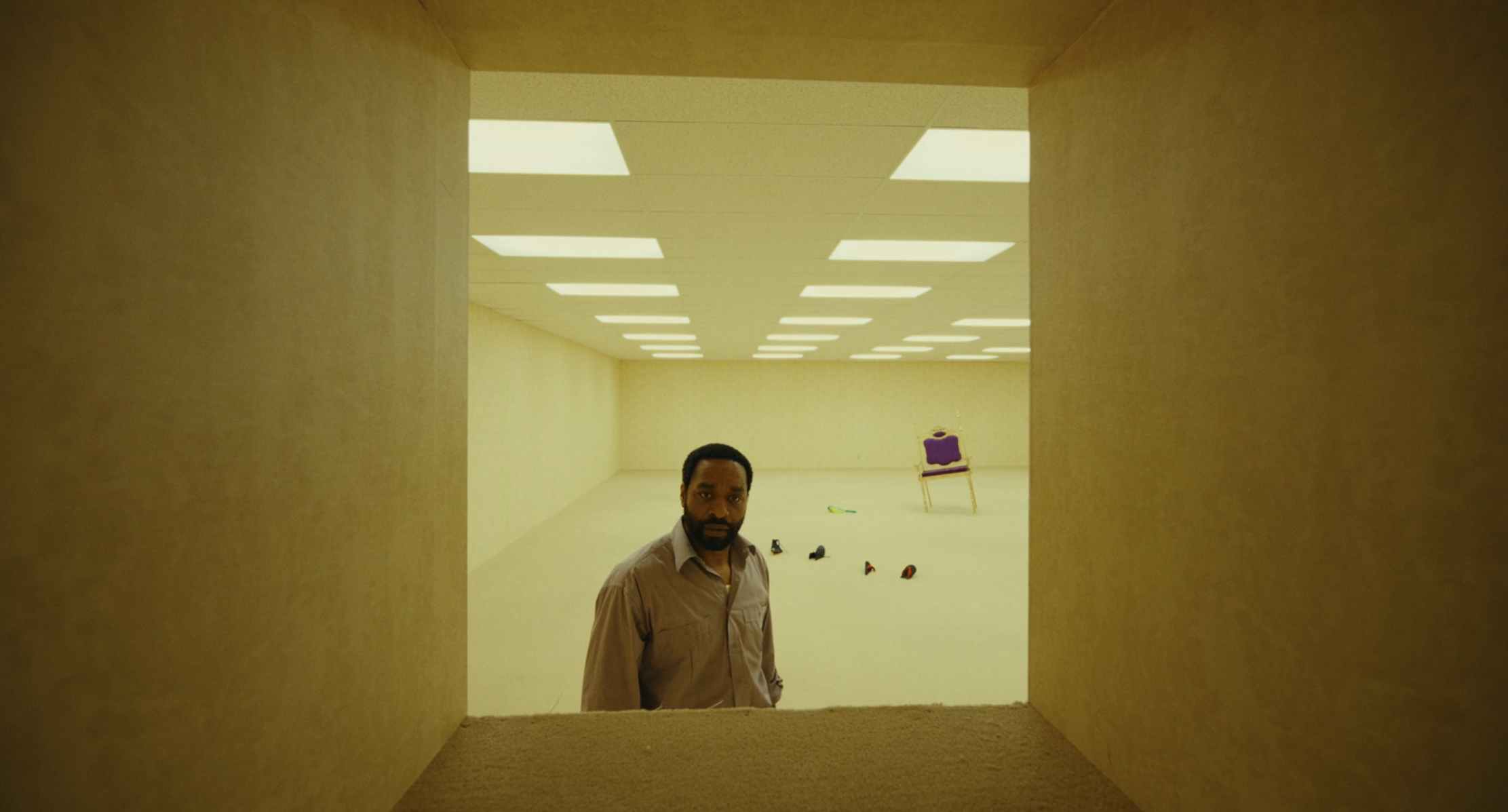
Here’s what I took from the psychological horror film: the human mind is fickle, fragile, and lonely. The deeper you go into your own mind, the harder it is to get out of your head and the worse your thoughts reflect reality.
In the film, the backrooms is a manifestation of the human psyche. When a character enters the backrooms, it represents them getting “stuck” in their own head—ruminating on false realities, intrusive thoughts, or traumatic memories. If you’ve ever struggled with mental health, odds are you understand that your mind is not always your friend, and it doesn’t always tell the truth.
The Backrooms Act Like a Broken Memory
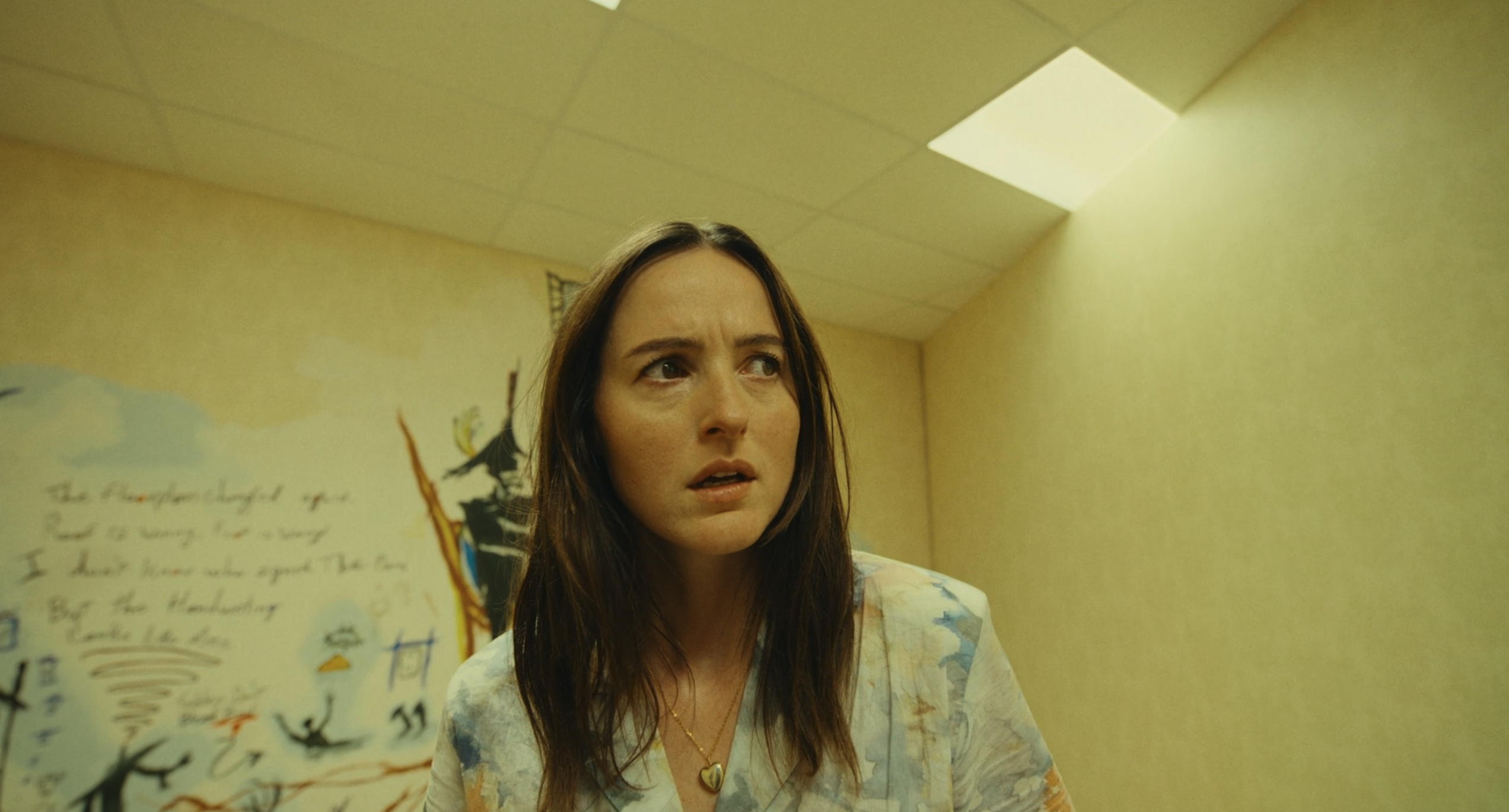
We frequently misremember things and make assumptions about the world around us. Research shows that memories are often impacted by emotional significance, personal relevance, repetition, and the level of attention given to an event as it occurs. This inconsistency of memory is illustrated in “Backrooms” through its setting.
The layout, the furniture, and the people are all… wrong. The chairs have too many legs, the architecture doesn’t make sense, and the people’s proportions are all off. It’s like “describing a dog to someone who’s never seen one before, and then asking them to draw it,” as Clark describes to Mary. The general idea is there, but the details are wrong. This is how our memories function in everyday life—maintaining certain details and forgetting others depending on when and where a memory was formed, as well as the cognitive priorities of the individual.
In this same vein, a study from the University of Sussex revealed that our memories can be easily influenced by what we already believe about the world—this means that previous experiences can alter our understanding of future events. For example, if a coworker once got frustrated with you for asking too many questions, you may restrain yourself from asking questions in the future. Even when conversations with colleagues are entirely pleasant, if you believe that other people find you annoying, you are more likely to walk away from every interaction thinking it went negatively.
When we experience these kinds of biases and negative thought patterns often, they can form neural pathways in the brain, so you essentially become hard-wired to assume the worst (even when it doesn’t make sense). This is Clark’s biggest hurdle and why he seeks Mary’s guidance in therapy—but it’s also why he feels safe in the backrooms.
Why Does Clark Like the Backrooms?
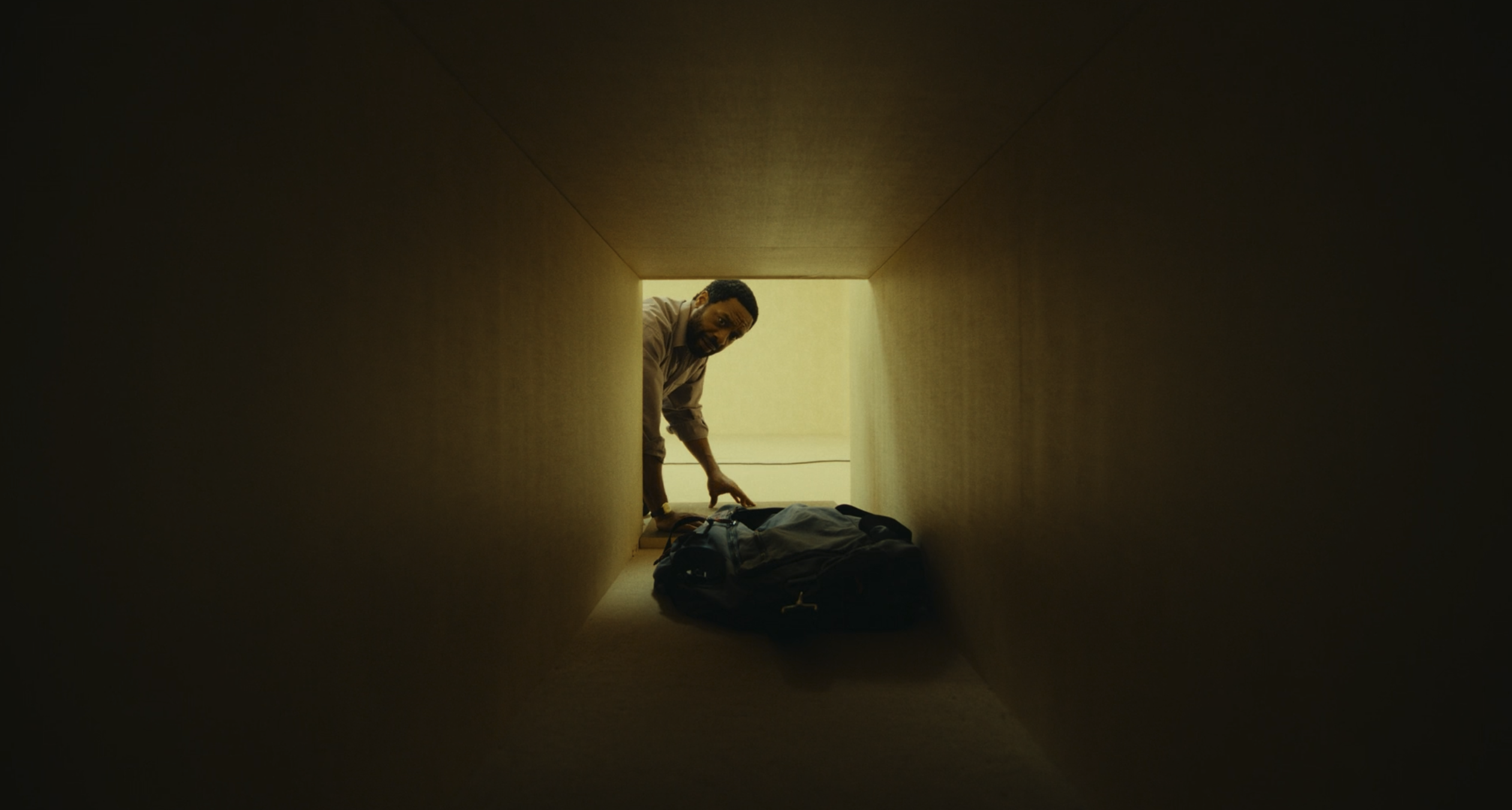
Clark is captivated by the backrooms because he is a vulnerable narcissist. He maintains a strong victim mentality throughout the film, constantly pointing blame elsewhere rather than taking accountability for his feelings and actions. Clark’s covert narcissism makes him hypersensitive to criticism, prevents him from empathizing with others, and it reinforces his fear of abandonment.
Early on in “Backrooms”, Clark tells his therapist, Mary, “I hurt people. I don’t want to, it’s just the way I’m wired.” This is Clark’s bias—his actions harm others, whether he intends to or not. And because he sees this as an inevitable reality, it becomes a self-fulfilling prophecy. Clark believes that interacting with others will always lead to pain, so he provokes them and reaffirms the negative expectation.
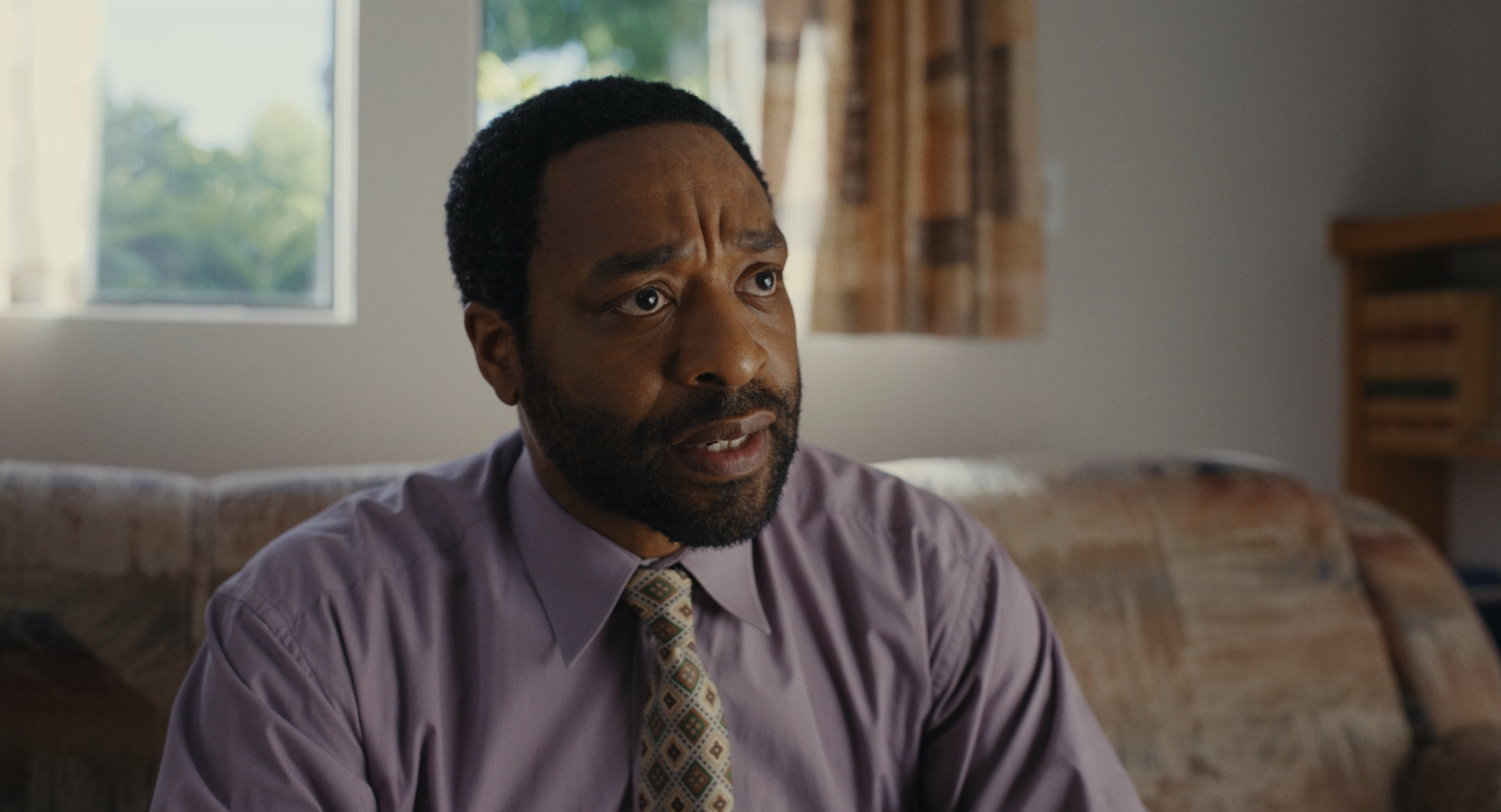
Despite showing up for therapy, Clark holds firm to this idea that he should be alone. When Mary instructs him to reenact the night that his wife kicked him out of their home, Clark admits that he felt stupid for drunkenly breaking a glass, and that insecure feeling caused him to get angry. As Mary and Clark role play the conversation, she poses a bid for connection—“maybe if you’d come home earlier, we could have spent the evening together.” This causes Clark to become defensive; he projects his shame and attempts to provoke Mary into responding harshly to him. But because Mary remains calm and composed against these provocations, Clark’s agitation grows until he explodes—screaming, swearing, and belittling the other party.
Realizing how he reacted in front of his therapist, Clark’s embarrassment shows. Nonetheless, at the end of the therapy session, he brushes off his volatile reaction by saying, “well, that’s me.”
Because putting in the work of unpacking his triggers and changing his response patterns can be uncomfortable, Clark feels safest in his own head where he can justify his actions and paint his own picture of reality. In the backrooms, Clark can safely exist in the neural pathway that is most familiar. Every time we see Clark return to the backrooms, it is him yielding to his negative thought patterns and strengthening those pathways so no one can disrupt his reality or force him to face his own ego.
Why Are the People in the Backrooms Edible?
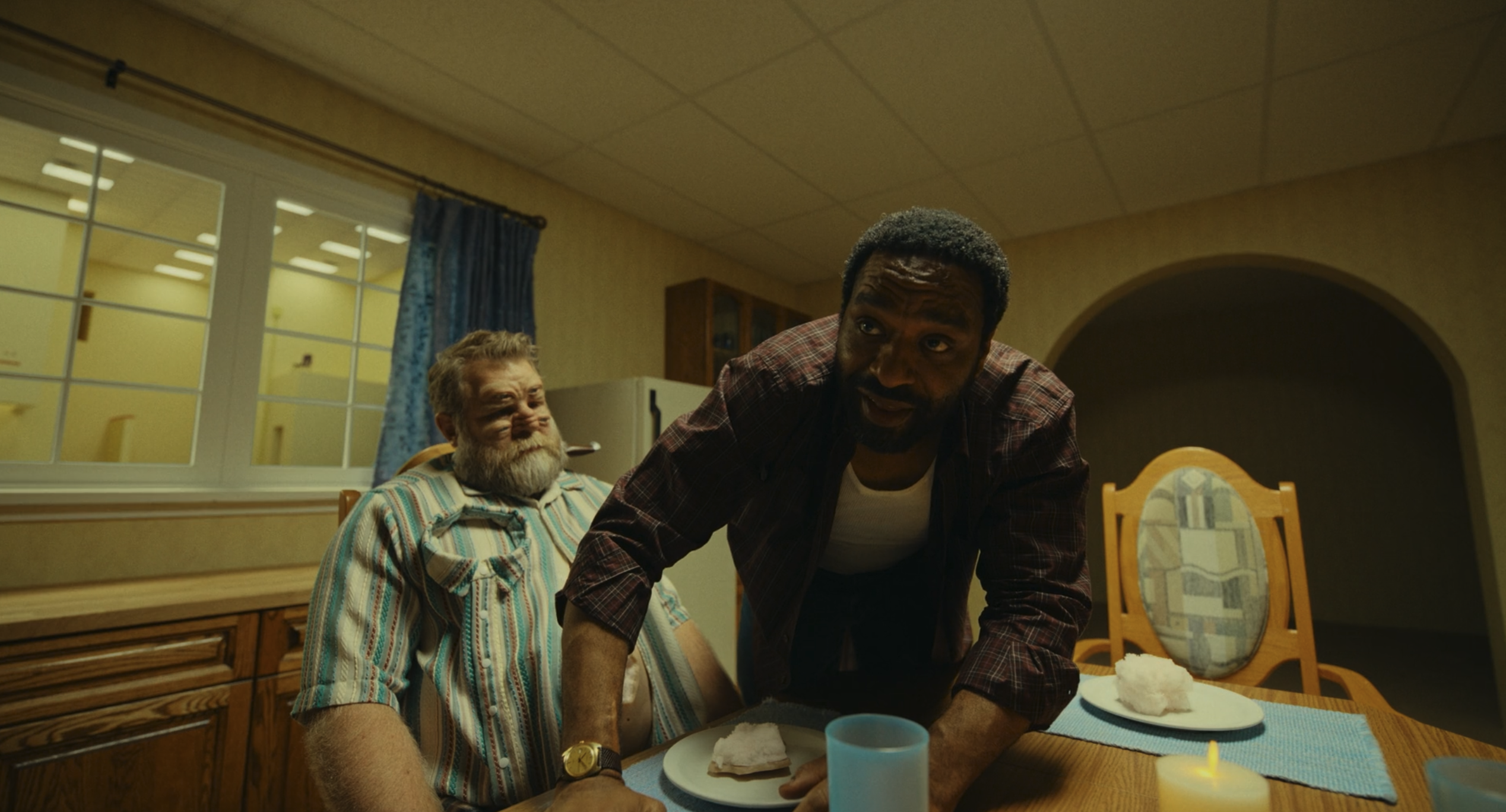
The same way the backrooms misremembers inanimate objects, it struggles to recognize people as real human beings with their own autonomy. These fractured memories of people exist in the backrooms, but they are not whole. When you get too caught up in your own head, you may not recognize that other people in the world are real—especially if you struggle with narcissistic personality disorder.
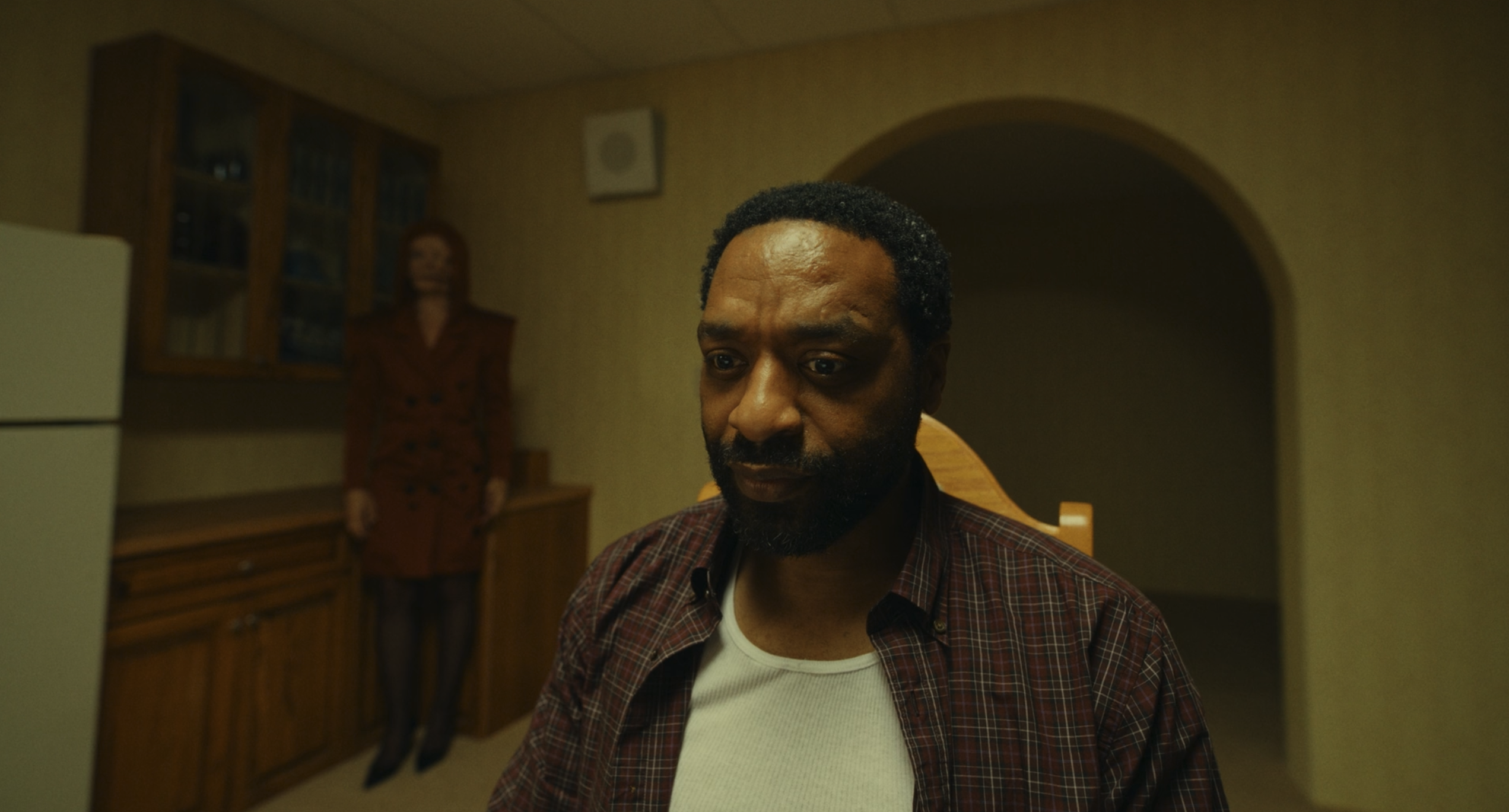
During the unnerving dinner table scene, Clark romanticizes these non-people, lamenting to Mary about how they cannot feel pain and don’t have fear or ego to hold them back. They simply get to exist, and he wishes his life could be that easy. And then he eats them. He literally consumes them, as if they only exist to serve him.
This scene illustrates how Clark views other people in the real world. Instead of considering that these individuals have their own lives outside of his existence, everybody is an NPC, and he is the only being who matters and understands suffering. Because to a narcissist, other people are objects and not independent beings with their own inner worlds.
Why Does Pirate Clark Eat Clark in the Backrooms?
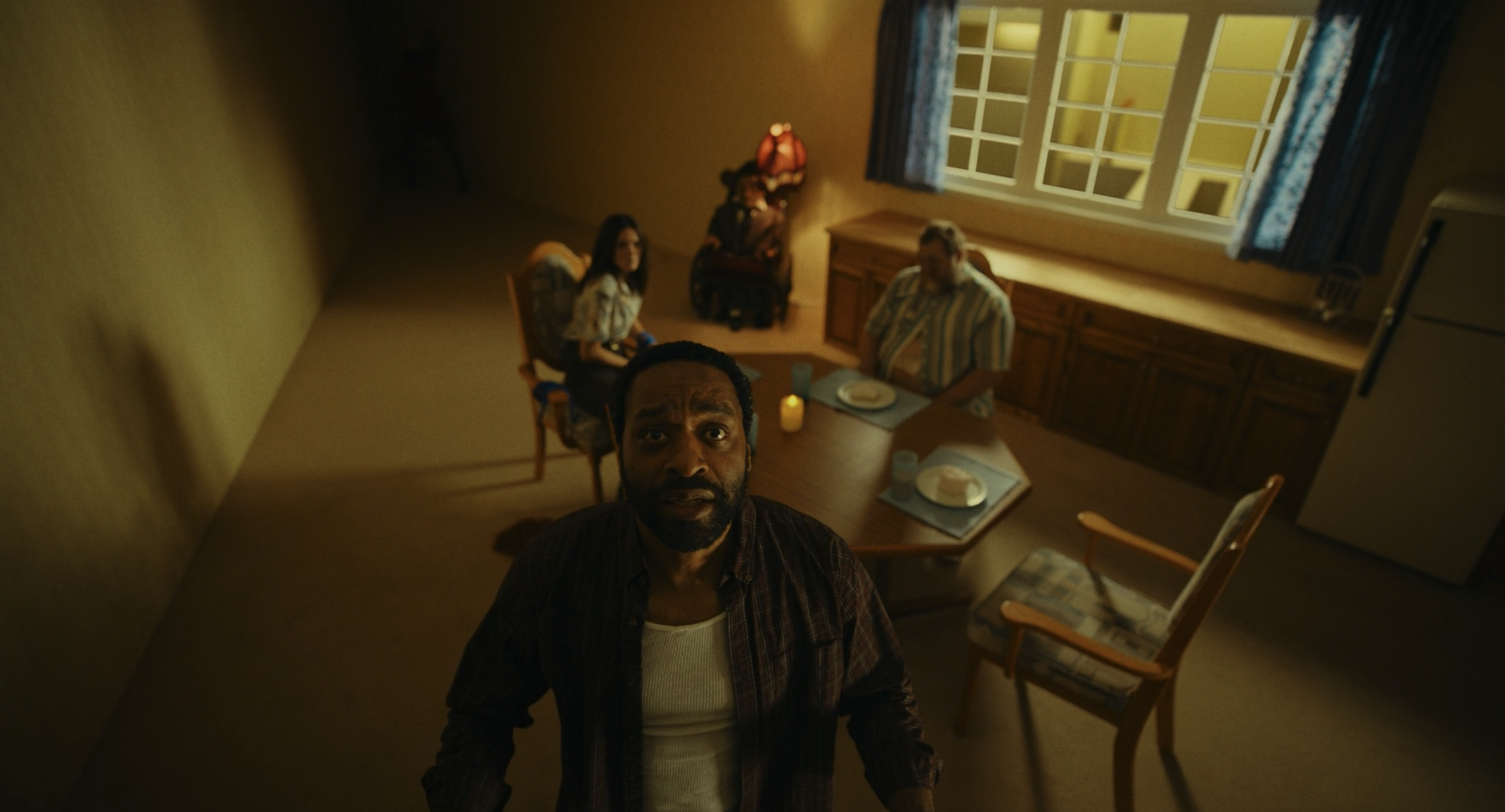
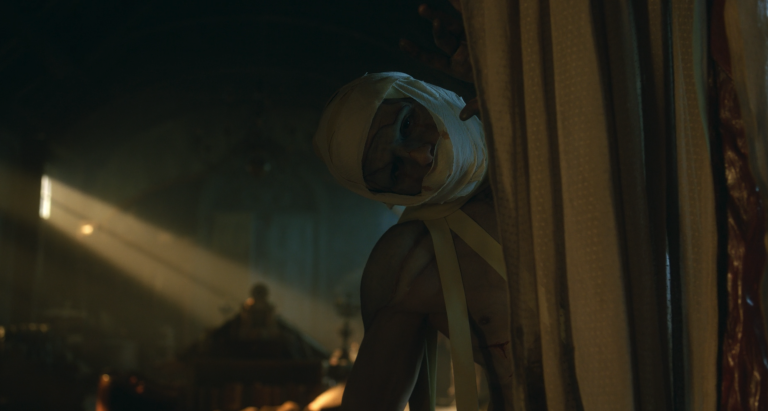
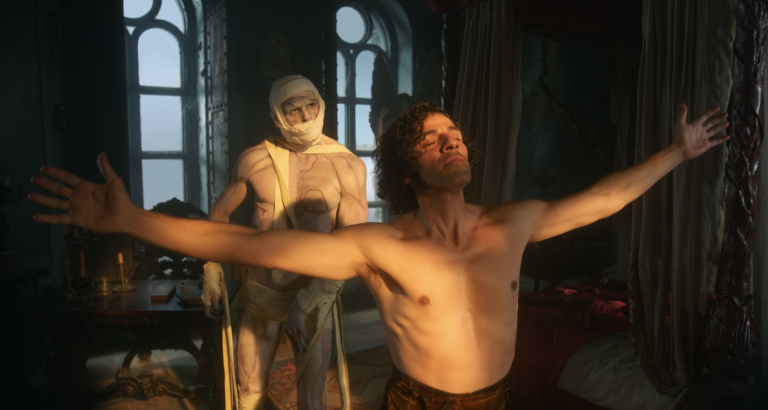
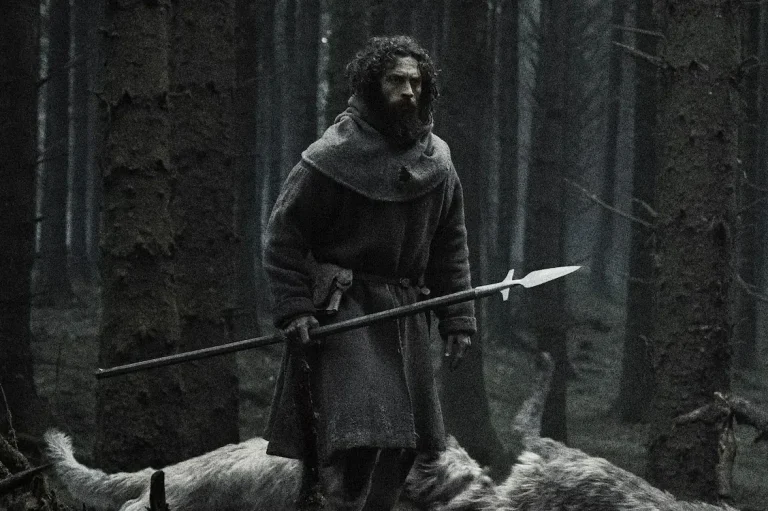
Pirate Clark in the backrooms represents Clark’s dark side; it is his narcissism and victim mentality manifested as a monster outside of himself.
During the dinner table scene, Clark claims he doesn’t want to change. In fact, he rejoices when Mary gives him permission to stay exactly how he is and continue to live in the fake reality he created within his mind. But when he officially gives up on bettering himself, his inner monster comes in and devours him. Clark expected that this manifestation of his negative thoughts and behaviors would be happy that they don’t need to change, but him choosing to give up on improving himself is ultimately what killed him.
Even as Clark is eaten alive by the manifestation of his disordered mind, I had a feeling that Pirate Clark wanted to get better. Most of us do when we are stuck in a cycle of rumination and insecurity. It’s hard to change the loops and behaviors that keep us stuck in our heads, but it is so much better once you dig yourself out of the hole you created.
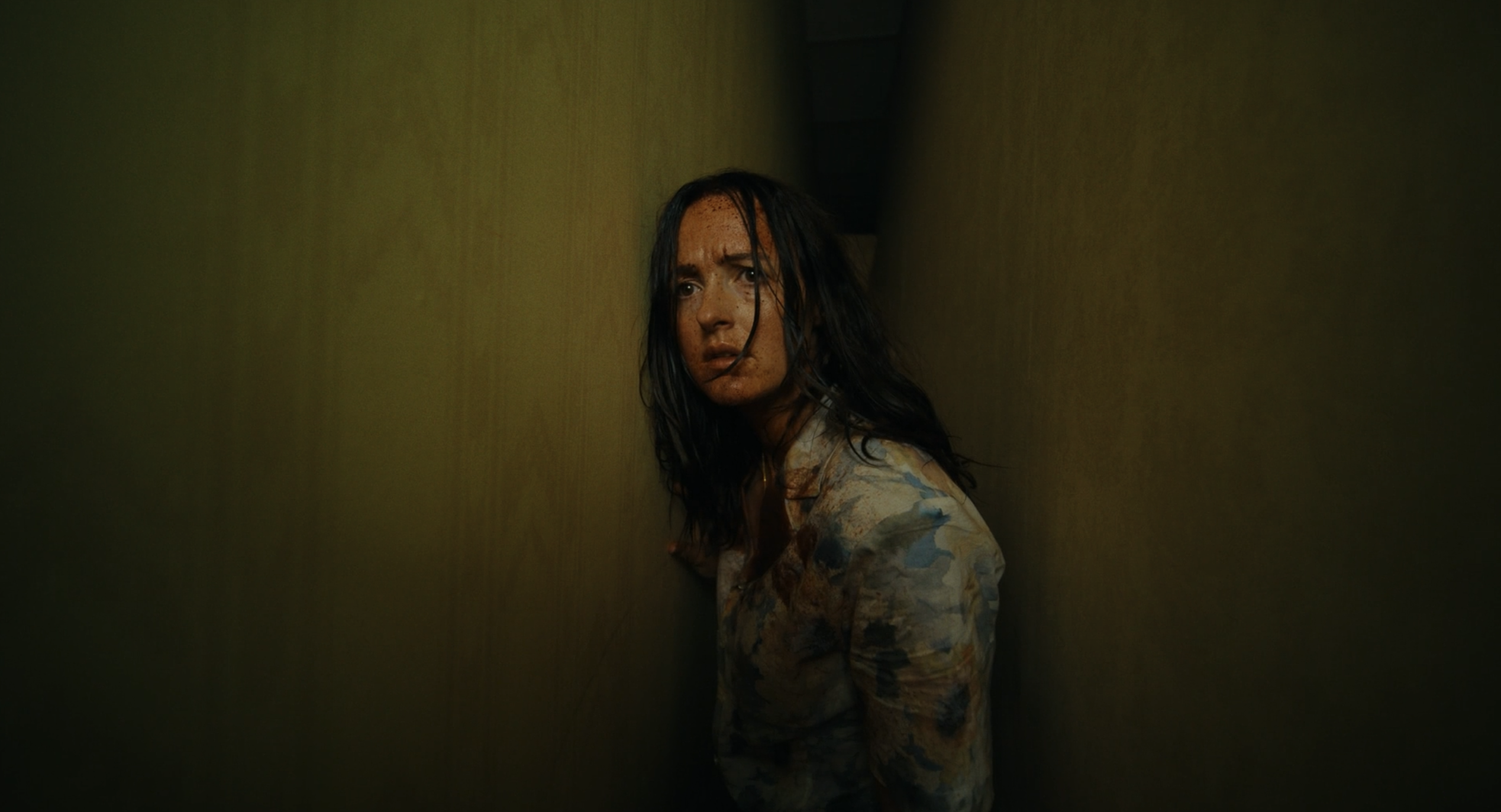
While this monstrous version of Clark doesn’t speak, he promptly chases after Mary—but is it because he wants to kill her, or is he seeking her help? When Mary manages to escape Pirate Clark’s pursuit and is just out of reach down a narrow hallway, he whimpers and wails desperately, reaching for her, and Mary looks back at him with a hint of sadness and pity in her eyes. This indicates to me that Pirate Clark may understand at some level that he’s not quite right, and that he is doomed to be alone forever if he can’t figure out how to stop this cycle of metaphorically (and literally) chewing people up and spitting them out.
What Happened to Mary at the End of Backrooms?
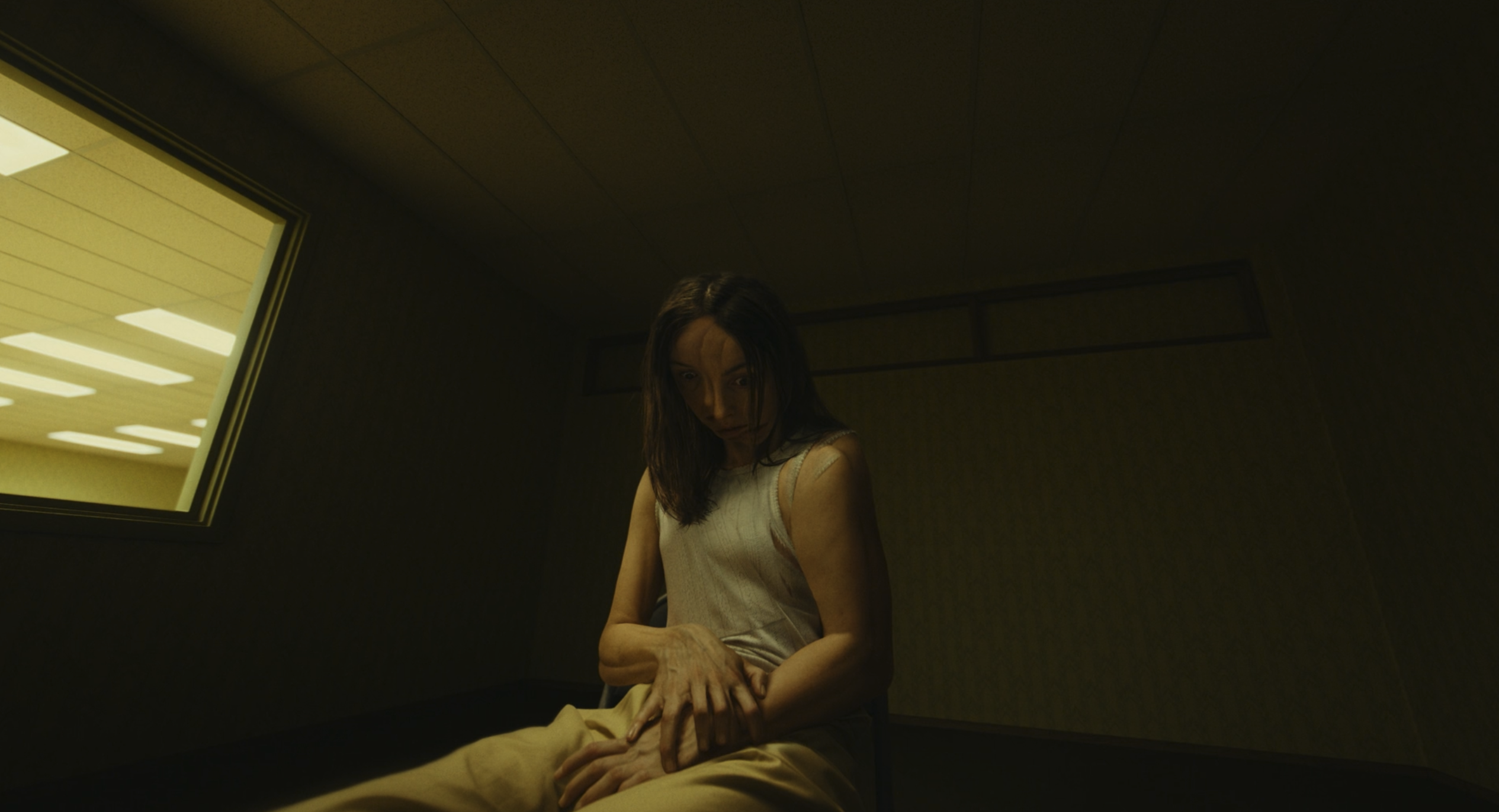
We’ve covered that the backrooms represent the negative patterns in Clark’s mind, but what of Mary?
Throughout the film, we see flashbacks of Mary’s childhood where she appears to be raised by a parent who struggles with agoraphobia. Mary’s mother is plagued by excessive fear that prevents her and her daughter from leaving their home and living full lives.
As an adult, Mary wants to help people like her mother and her younger self. She encourages her patients to “open the window,” like she wanted to do as a child, and release themselves from the trappings of their minds to step into reality. She pedals this talking point in her therapy appointments, in her book, and in her audio-cassettes—even while she is clearly struggling to let go of her own traumatic past.
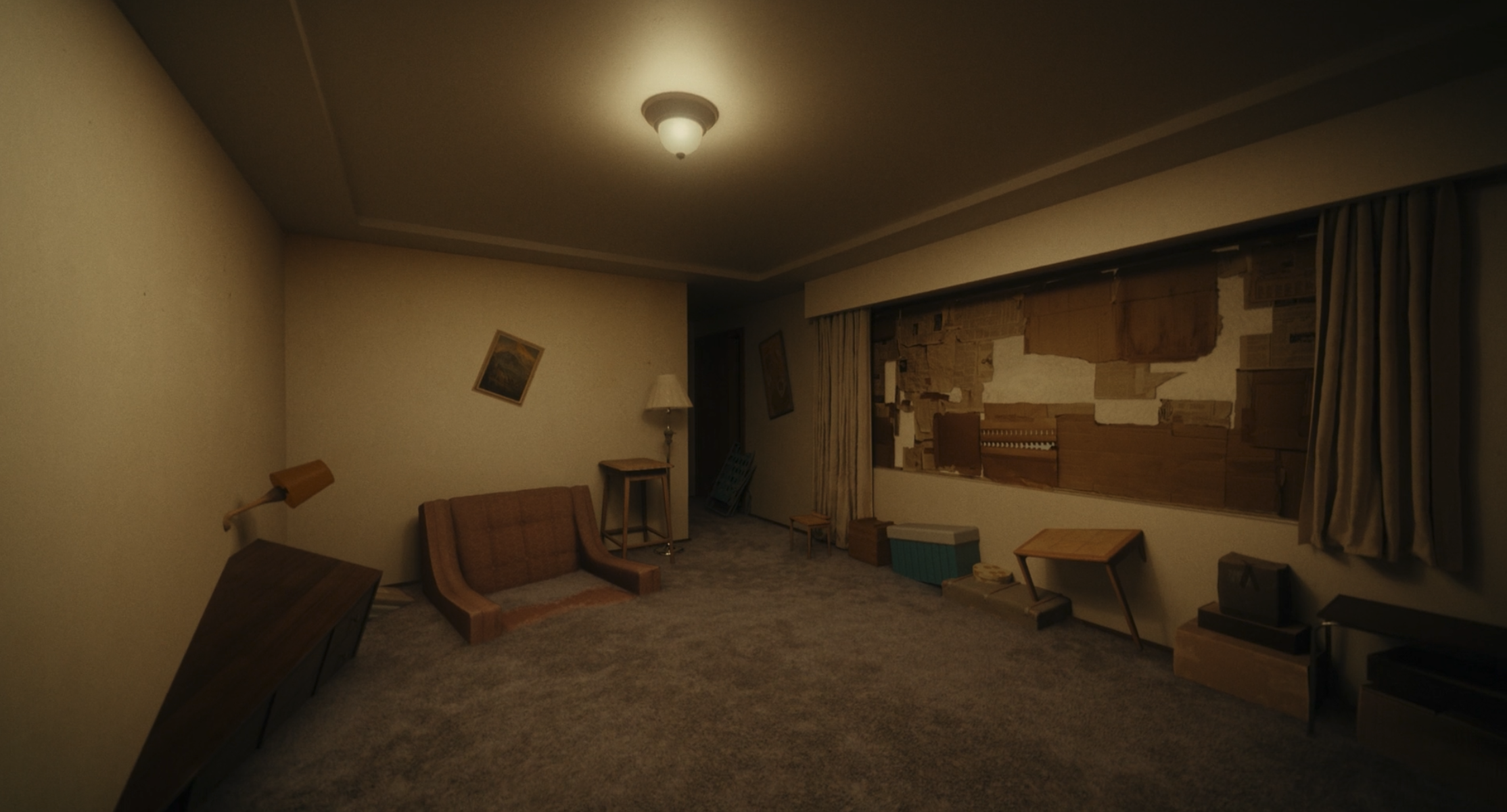
After Mary enters the backrooms and Clark chokes her out, there is a powerful scene that depicts the living room of Mary’s childhood home. Slowly, the view begins to descend; on every floor we see the same living room, but everything is a little more wrong with each descending level. This is a visual representation of Mary being dragged into the recesses of her mind—it is her version of the backrooms.
Mary remembers how traumatic growing up in this living room was, but the more she thinks about it, the worse the memory becomes. This is because the mind misremembers, fills in the blanks, and convinces us that things are worse than they really are. This phenomenon can paralyze you and keep you stuck, unless you are willing to challenge and break those thought patterns.
Fortunately, Mary does not want to stay trapped in her mind like Clark. She has been working to overcome her past throughout her entire life and it all culminates as she fights to escape the backrooms. When she pulls the concrete handprint from her pocket and smashes it over Pirate Clark’s head, it is her finally letting go of her past—now she can heal and move forward without the physical and mental weight of her trauma holding her back.
Regrettably, when Mary finally escapes the backrooms, she ends up sequestered by ASYNC. And because the backrooms represent the human psyche, I think it’s safe to say that ASYNC’s research facility represents a psychiatric ward, and the scientist, Phil, represents a doctor in a psychiatric hospital.
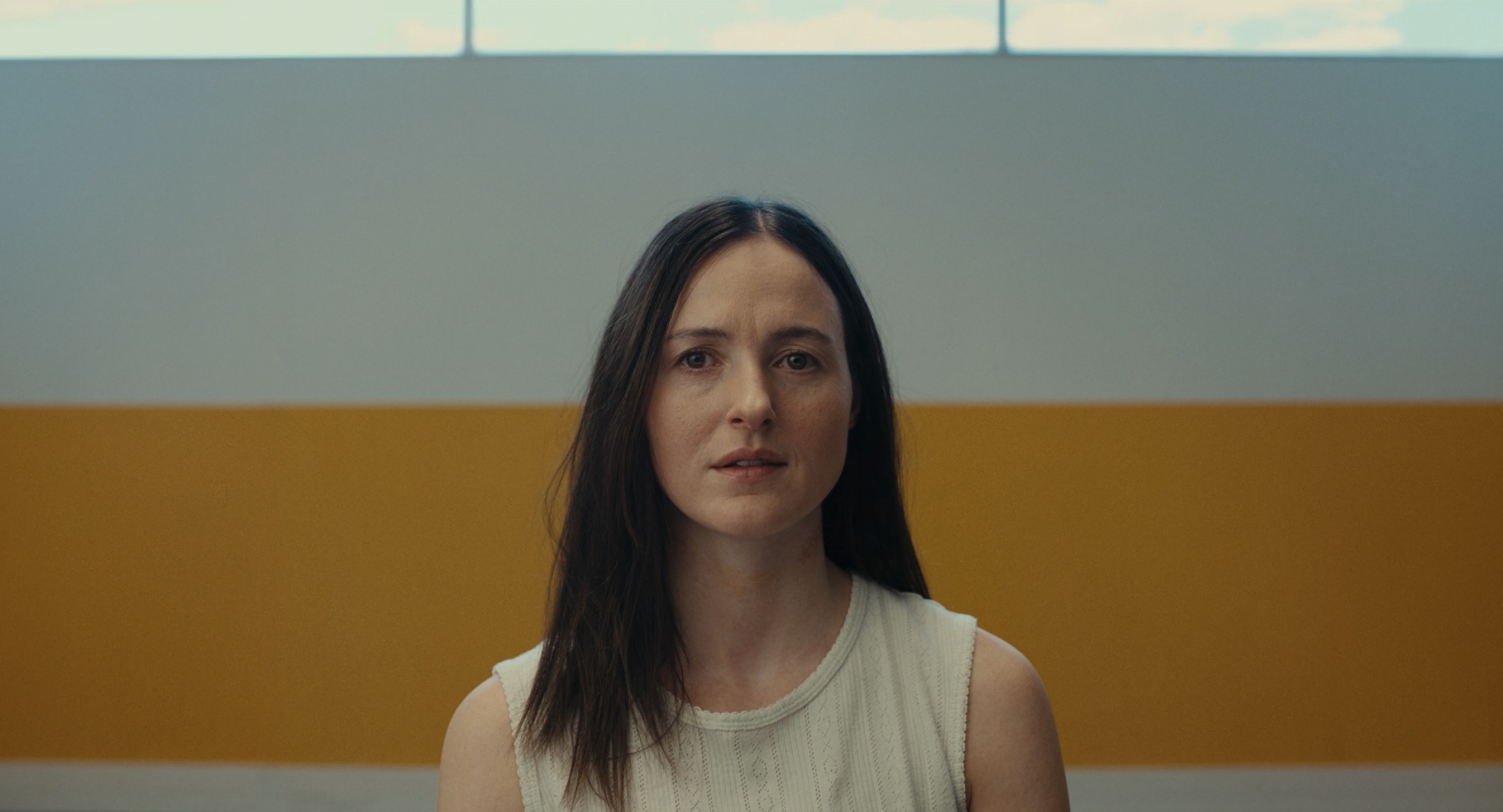
Phil encourages Mary to talk about her time in the backrooms, telling her that he’s been studying it—but also admitting that he doesn’t understand it at all. Phil also tells Mary that it’s not up to him what happens to her. In reality, Mary has been detained due to a perceived mental health disorder. As a therapist, Mary seems to immediately recognize that they will never let her go—because they will never understand what she describes the backrooms to be. This is because it is impossible to truly understand what is going on in someone else’s mind.
With this realization, Mary appears to disassociate from the conversation with Phil. We begin to see her version of the backrooms fully materialize. Up until this point, we mostly saw the backrooms as a presentation of Clark’s mind, but now we see Mary’s trauma, her guilt, and her imposter syndrome as different scenes. And finally, we see a disfigured version of Mary—her monster, her dark side.
So, What Does It All Mean?
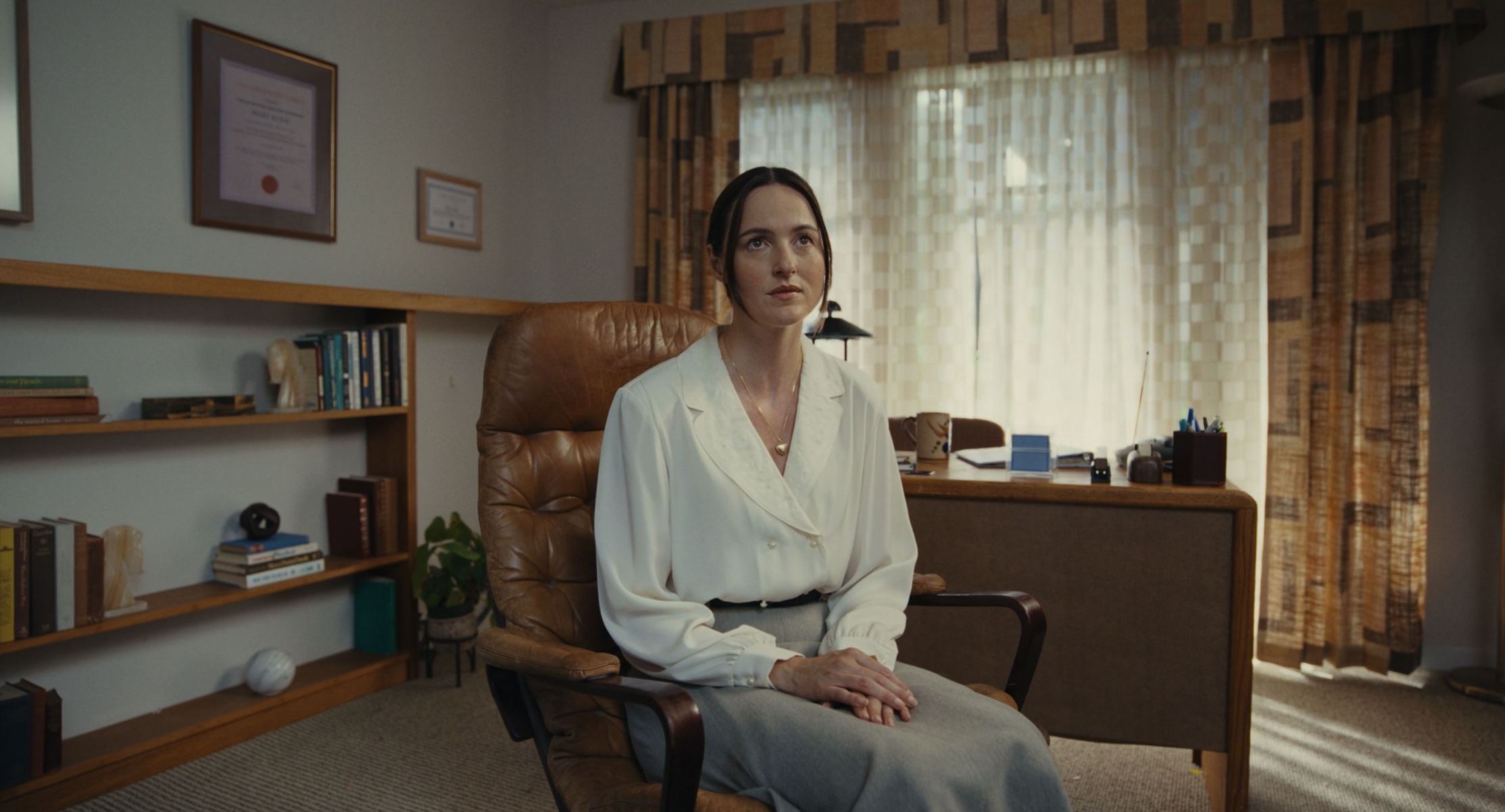
After witnessing Mary’s abominable ending, the viewer is left to grapple with this new reality.
For Clark, he made a choice to give up on himself. He wanted to stay “safe” in his disordered mind and not endure the pain of rewiring his thoughts. And while this ultimately kills him, it’s hard to feel sympathy for him, because his victim mentality held strong until the end.
But with Mary, we saw that she actively wanted to get better and resolve her pain. Despite her desire to move on and live a normal life, it’s not up to her. It’s now up to Phil’s superiors—the doctors who have already decided that she is experiencing a mental health crisis. Perhaps to them, she is just another NPC, so what happens to her is of no consequence to them.
In the end, Mary chooses to succumb to her mind the same way Clark did, but not because she doesn’t want to get better—because she is now trapped under a psychiatric hold and is convinced that she’ll never be able to persuade ASYNC that’s she’s lucid after all she has endured. From then on, they will study her and dull her with mind-altering drugs, so she gives up.
It is a bleak ending, but the lesson is a good one. The mind is a funny thing. It can trick you and trap you if you’re not careful.
“As you walk through life, the untrained mind accumulates loops, habits, [and] behaviors that keep you drifting in circles. Creating the same problems. Reaching for the same solutions. Over and over again. Still, it’s the neural pathway of least resistance. The one I made. The one that kept me safe, when I was a child… I learned to push people away before they could hurt me. And now, as an adult, I’m still stuck right where I started…
It’s a real mess…
But [it’s] also beautiful, in a way… no?” – Clark